Stars & Constellations
Stars & Constellations
An interactive star map of the sky above you, a picture guide to all 88 constellations, and the brightest stars in tonight's sky. Search your location below, then explore.
🌌 Local Dark-Sky Window
Interactive star map
Every star to magnitude 6, the constellation figures, the Sun, Moon and bright planets, as they appear from your location at the time shown. Change the time to watch the sky turn.
Showing the sky from New York until you search a location above. Drag to look around; scroll with Ctrl or ⌘ held (or pinch) to zoom; click a star or constellation to identify it.
Star positions: Hipparcos catalogue (stars to magnitude 6) precessed to the date shown; constellation figures and IAU boundaries via d3-celestial (BSD-3-Clause); Sun, Moon and planets computed with astronomy-engine. Not a photograph or a live feed.
November highlight
The Pleiades star cluster in Taurus becomes a striking naked-eye target in the evening sky.
Brightest stars in tonight's evening sky
Stars above the horizon around 9 pm local time from mid-northern latitudes (about 40°N), brightest first. Bright stars stay easy to see even under a bright moon. Lower magnitude means brighter.
Vega
mag 0.03Look NW, mid-sky in the sky (33° up).
A blue-white star that anchors the Summer Triangle.
About 25 light-years away
Capella
mag 0.08Look NE, mid-sky in the sky (31° up).
A pair of yellow giants that shine as one bright, golden star.
About 43 light-years away
Altair
mag 0.76Look W, mid-sky in the sky (30° up).
A fast-spinning white star and a corner of the Summer Triangle.
About 17 light-years away
Aldebaran
mag 0.86Look E, low in the sky (23° up).
The orange eye of Taurus the Bull.
About 65 light-years away
Fomalhaut
mag 1.16Look S, low in the sky (20° up).
A lonely bright star low in the south on autumn evenings.
About 25 light-years away
Deneb
mag 1.25Look NW, mid-sky in the sky (57° up).
A distant, extremely luminous supergiant at the tail of Cygnus.
Estimates vary, around 2,600 light-years away
Polaris
mag 1.98Due north, 41° up (about your latitude).
The North Star. It sits almost exactly over the north celestial pole, so it barely moves.
About 430 light-years away
All 88 constellations
The whole sky is divided into 88 official constellations. Each card is a star chart drawn from the Hipparcos catalogue; open one for its brightest star, the best month to see it, and which latitudes can. See the full list as a table.
Showing 88 of 88 constellations
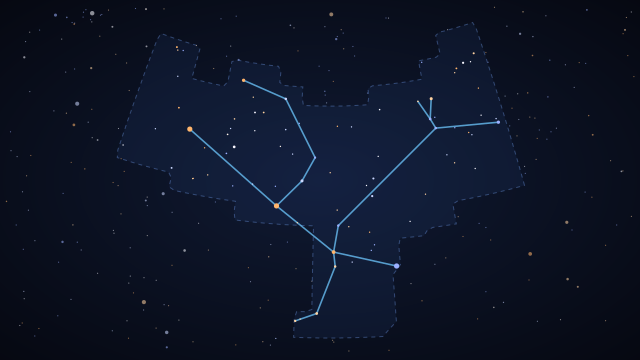 And
Andromeda
The Chained Princess
Best seen in November · Northern sky
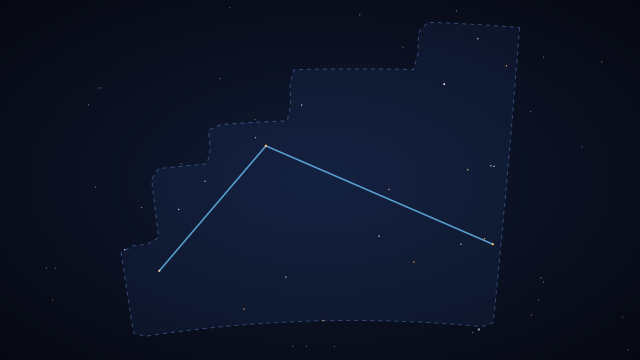 Ant
Antlia
The Air Pump
Best seen in April · Southern sky
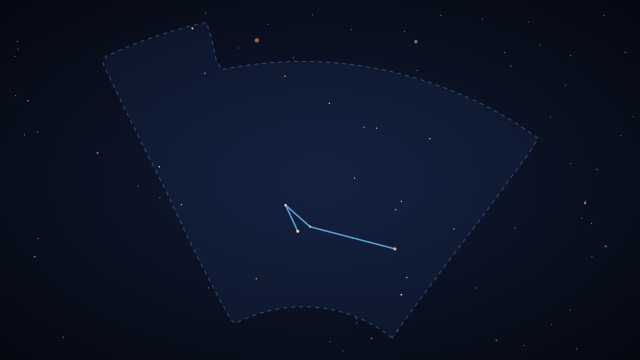 Aps
Apus
The Bird of Paradise
Best seen in July · Southern sky
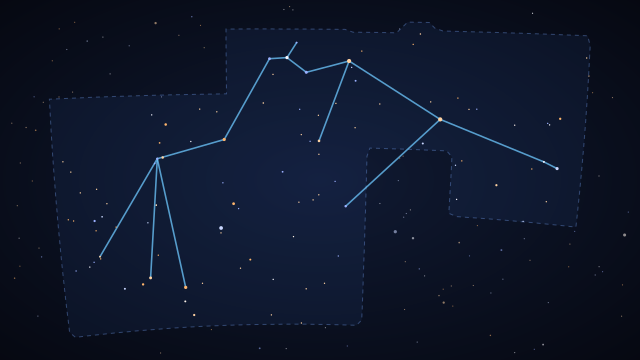 Aqr
Aquarius
The Water Bearer
Best seen in October · Zodiac · Equatorial sky
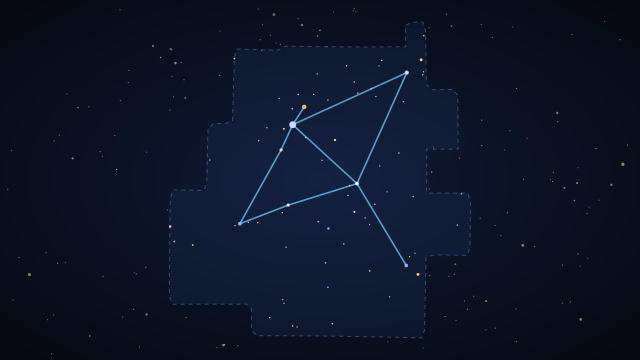 Aql
Aquila
The Eagle
Best seen in September · Equatorial sky
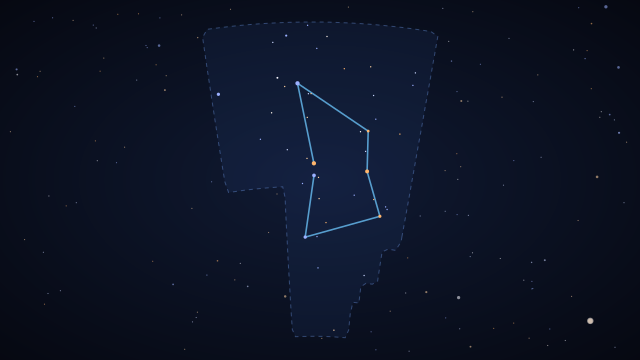 Ara
Ara
The Altar
Best seen in July · Southern sky
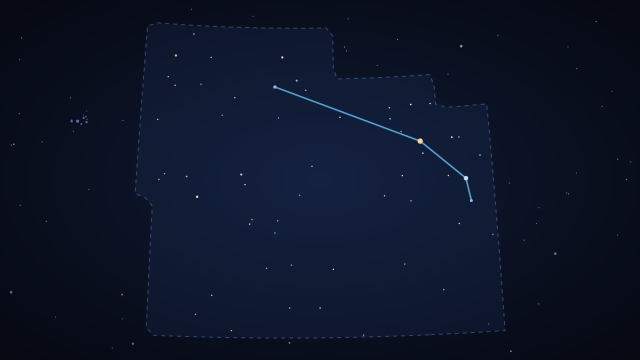 Ari
Aries
The Ram
Best seen in December · Zodiac · Northern sky
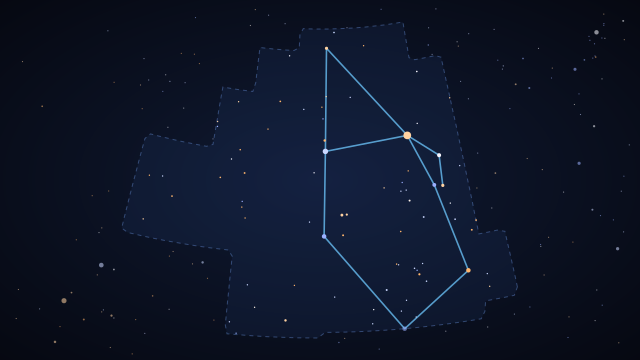 Aur
Auriga
The Charioteer
Best seen in February · Northern sky
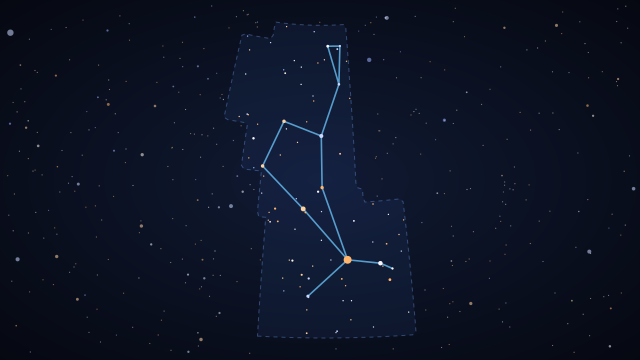 Boo
Boötes
The Herdsman
Best seen in June · Northern sky
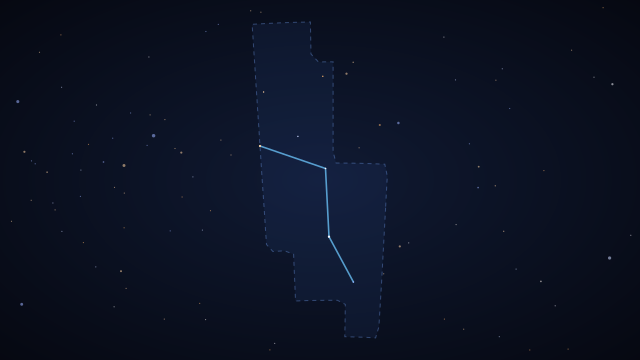 Cae
Caelum
The Chisel
Best seen in January · Southern sky
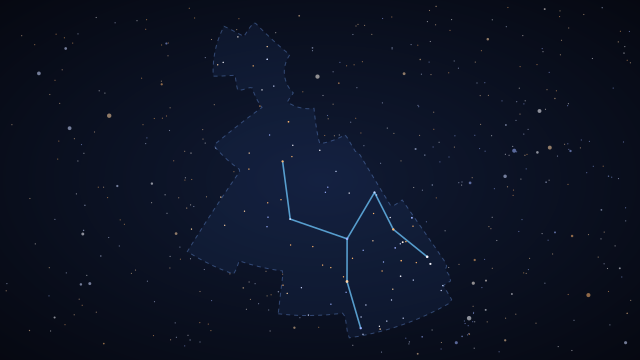 Cam
Camelopardalis
The Giraffe
Best seen in January · Northern sky
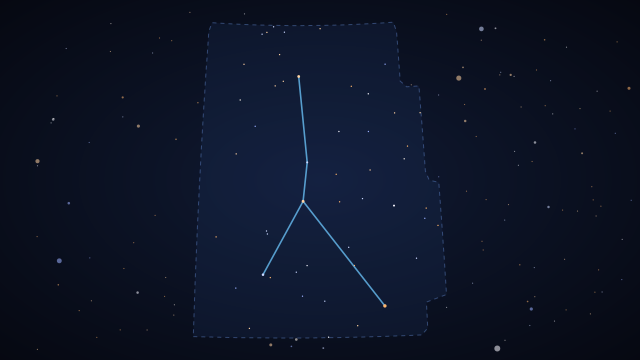 Cnc
Cancer
The Crab
Best seen in March · Zodiac · Equatorial sky
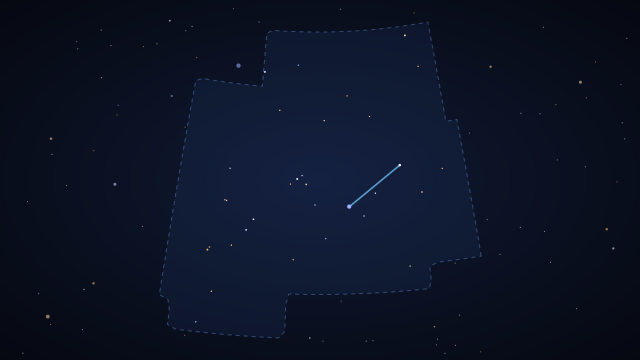 CVn
Canes Venatici
The Hunting Dogs
Best seen in May · Northern sky
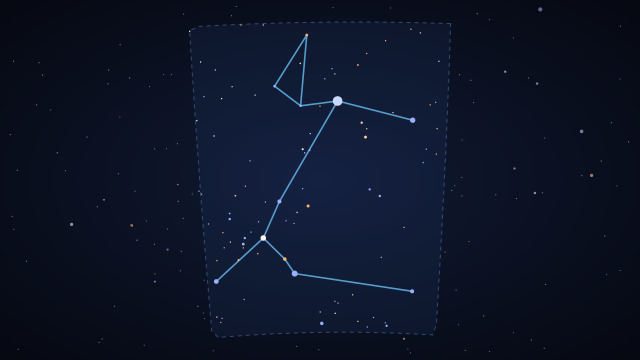 CMa
Canis Major
The Greater Dog
Best seen in February · Southern sky
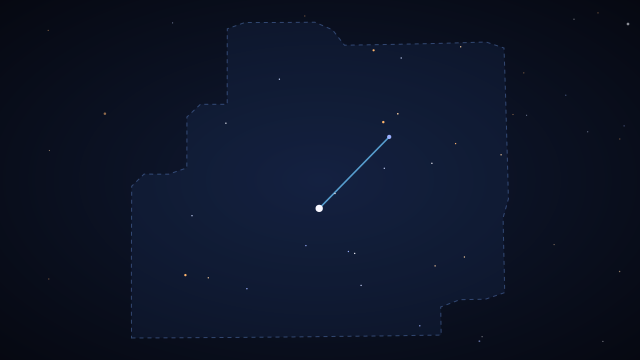 CMi
Canis Minor
The Lesser Dog
Best seen in February · Equatorial sky
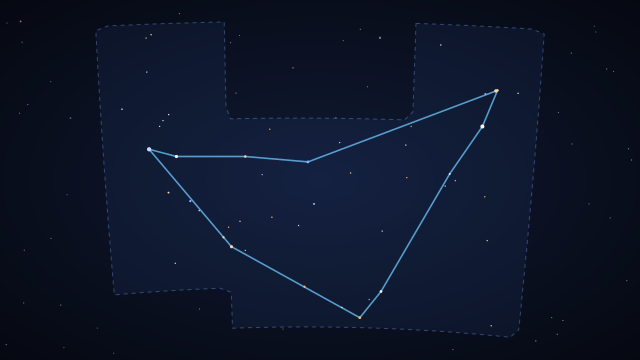 Cap
Capricornus
The Sea-Goat
Best seen in September · Zodiac · Equatorial sky
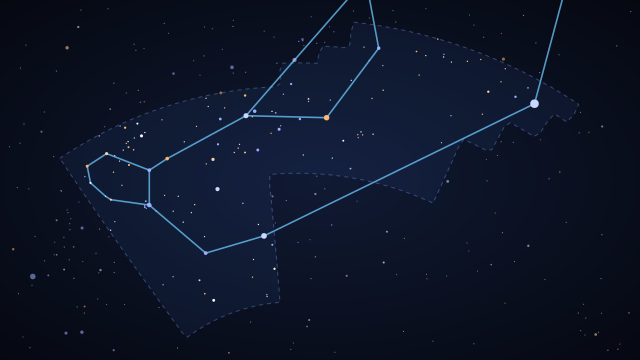 Car
Carina
The Keel
Best seen in March · Southern sky
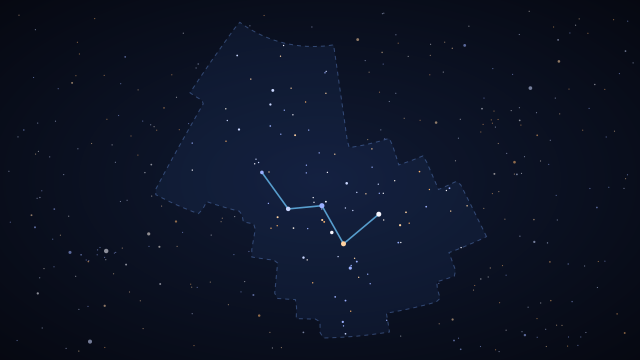 Cas
Cassiopeia
The Queen
Best seen in November · Northern sky
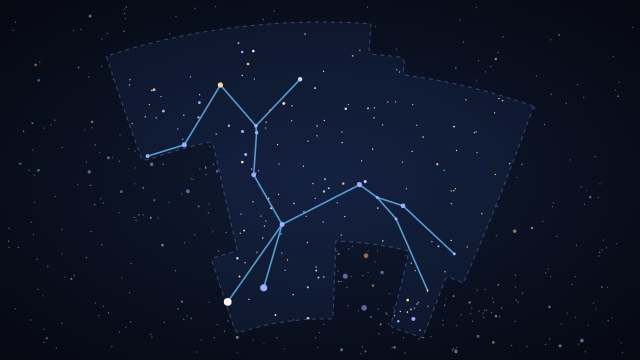 Cen
Centaurus
The Centaur
Best seen in May · Southern sky
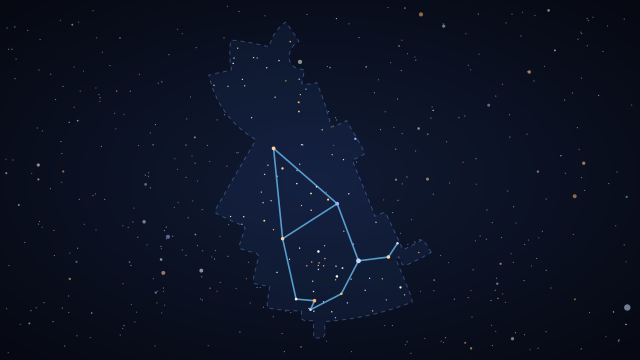 Cep
Cepheus
The King
Best seen in October · Northern sky
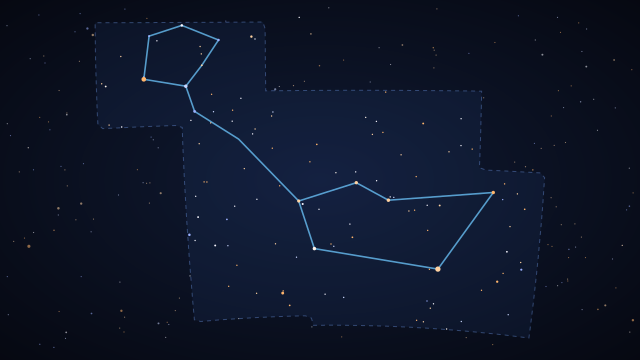 Cet
Cetus
The Sea Monster
Best seen in December · Equatorial sky
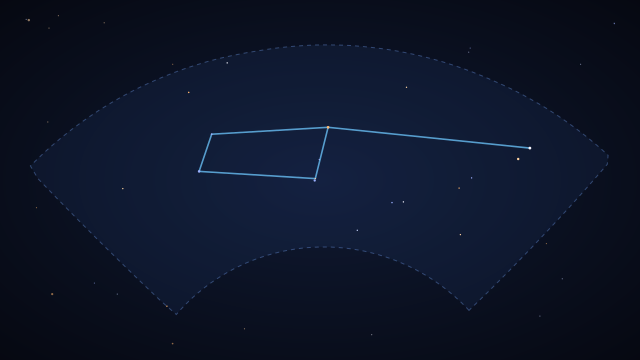 Cha
Chamaeleon
The Chameleon
Best seen in April · Southern sky
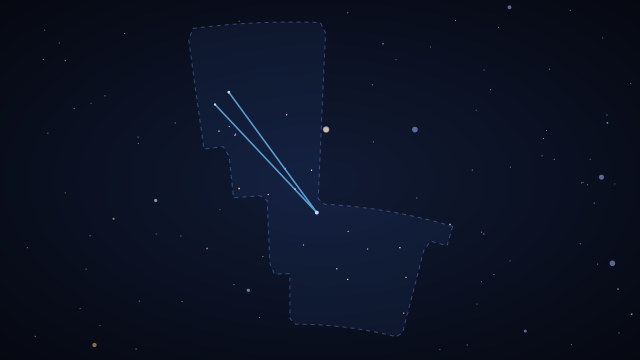 Cir
Circinus
The Drawing Compass
Best seen in June · Southern sky
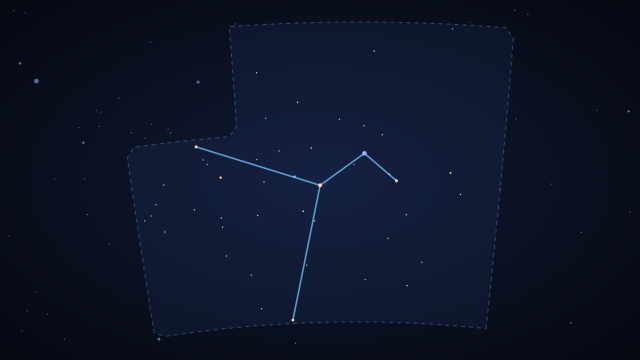 Col
Columba
The Dove
Best seen in January · Southern sky
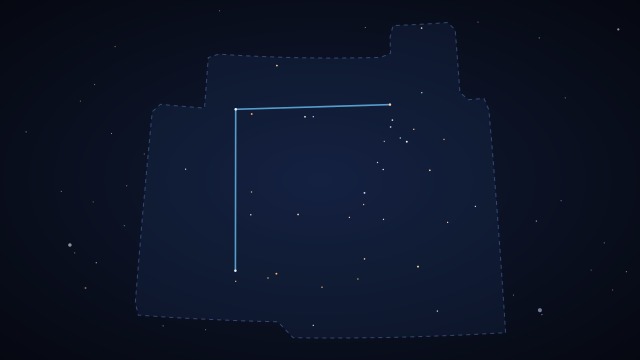 Com
Coma Berenices
Berenice's Hair
Best seen in May · Northern sky
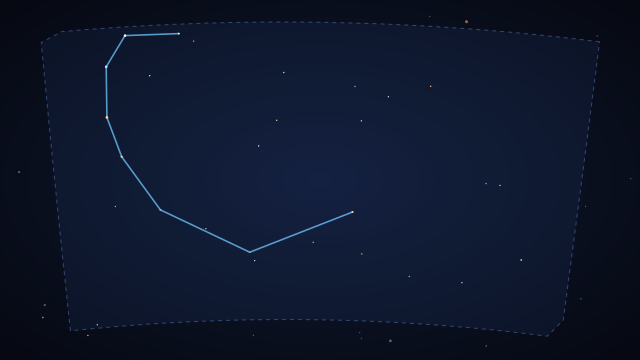 CrA
Corona Australis
The Southern Crown
Best seen in August · Southern sky
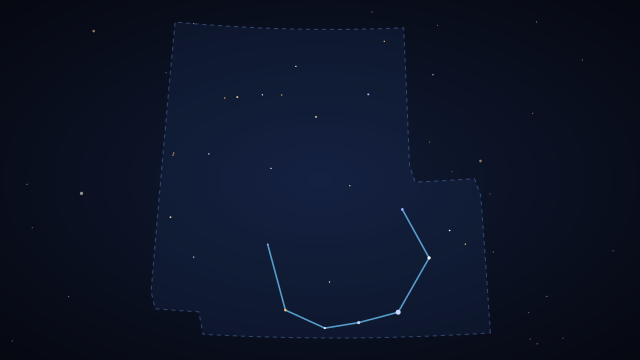 CrB
Corona Borealis
The Northern Crown
Best seen in July · Northern sky
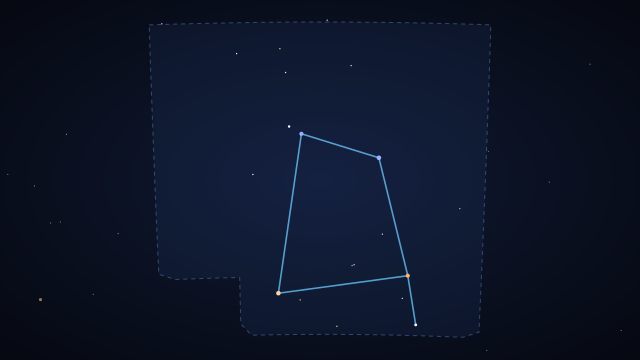 Crv
Corvus
The Crow
Best seen in May · Equatorial sky
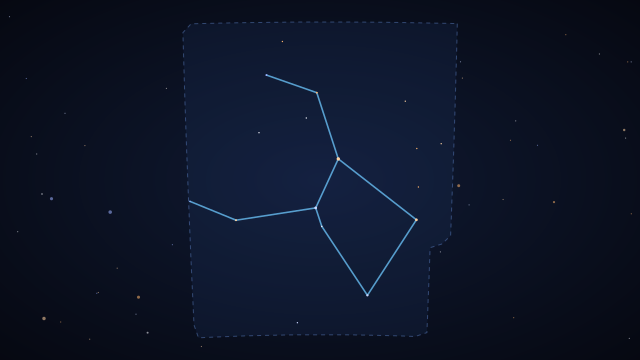 Crt
Crater
The Cup
Best seen in April · Equatorial sky
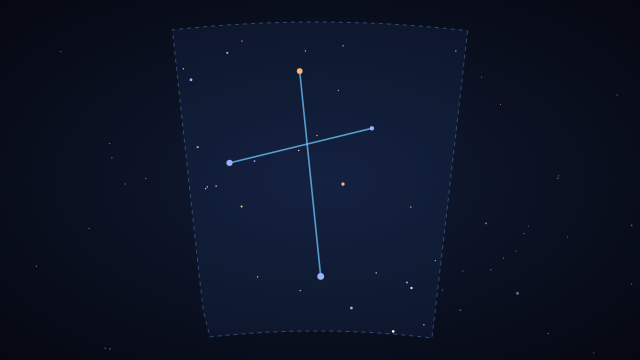 Cru
Crux
The Southern Cross
Best seen in May · Southern sky
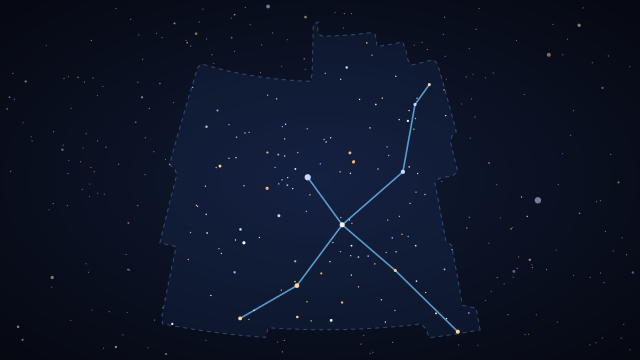 Cyg
Cygnus
The Swan
Best seen in September · Northern sky
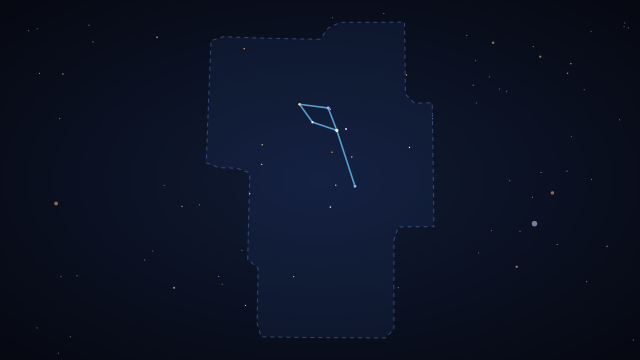 Del
Delphinus
The Dolphin
Best seen in September · Equatorial sky
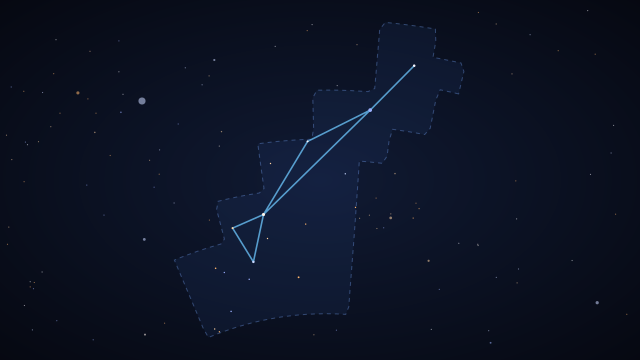 Dor
Dorado
The Swordfish
Best seen in January · Southern sky
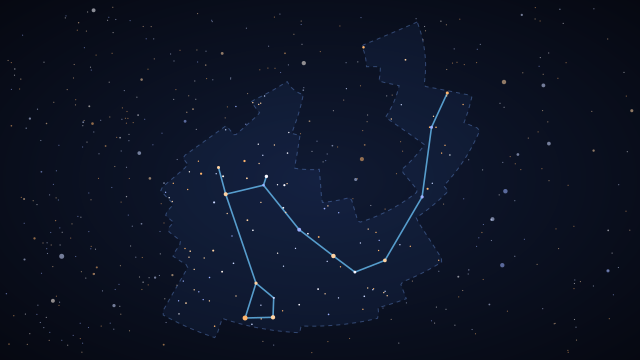 Dra
Draco
The Dragon
Best seen in July · Northern sky
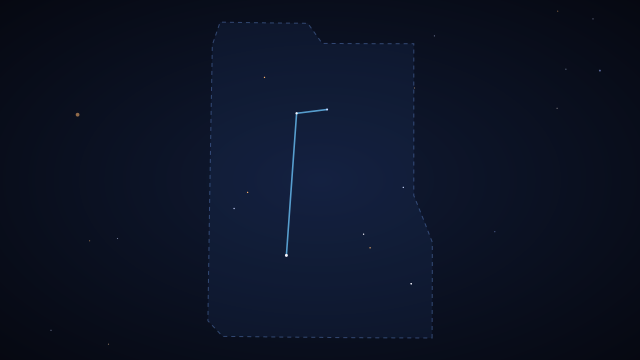 Equ
Equuleus
The Little Horse
Best seen in September · Equatorial sky
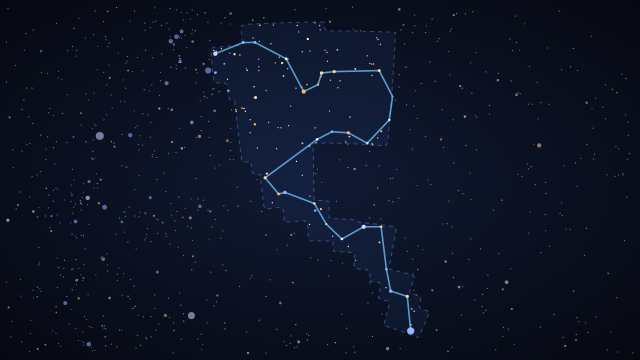 Eri
Eridanus
The River
Best seen in January · Southern sky
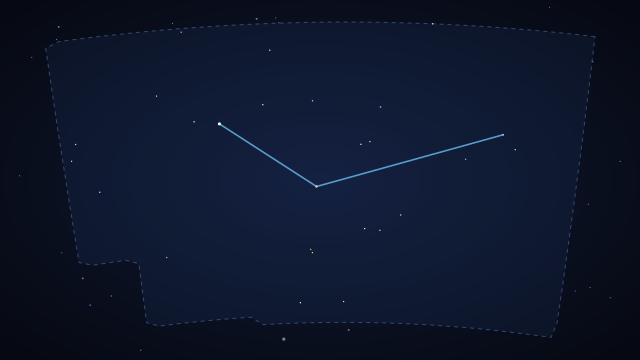 For
Fornax
The Furnace
Best seen in December · Southern sky
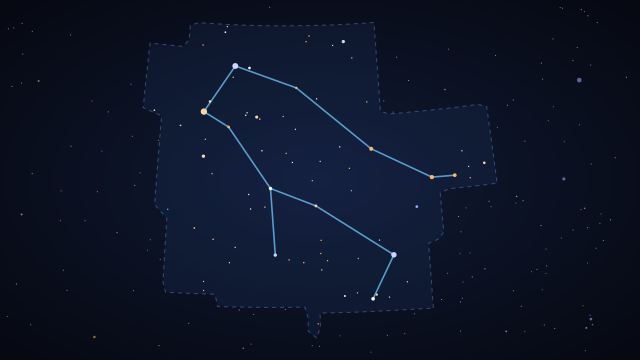 Gem
Gemini
The Twins
Best seen in February · Zodiac · Northern sky
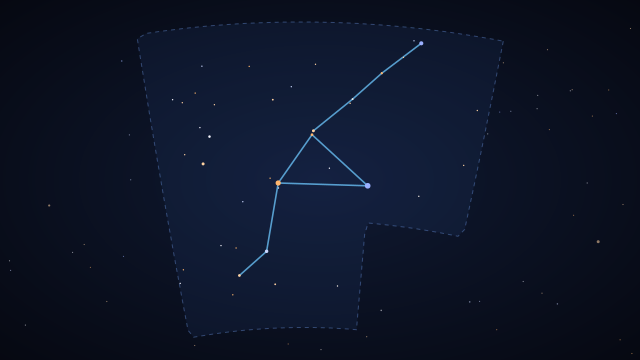 Gru
Grus
The Crane
Best seen in October · Southern sky
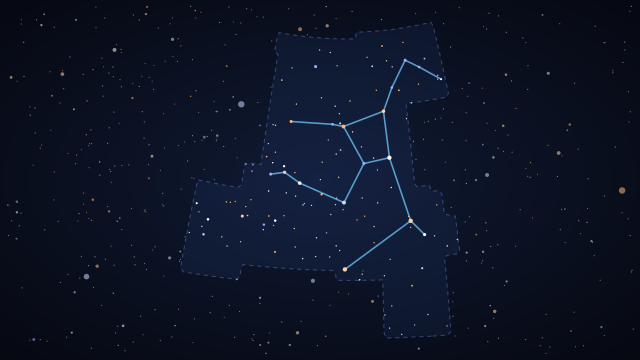 Her
Hercules
Hercules
Best seen in July · Northern sky
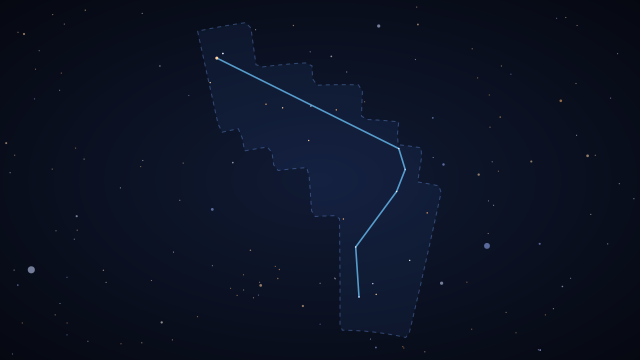 Hor
Horologium
The Pendulum Clock
Best seen in December · Southern sky
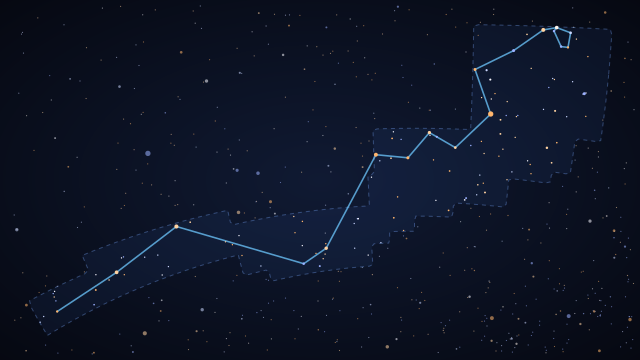 Hya
Hydra
The Water Snake
Best seen in April · Equatorial sky
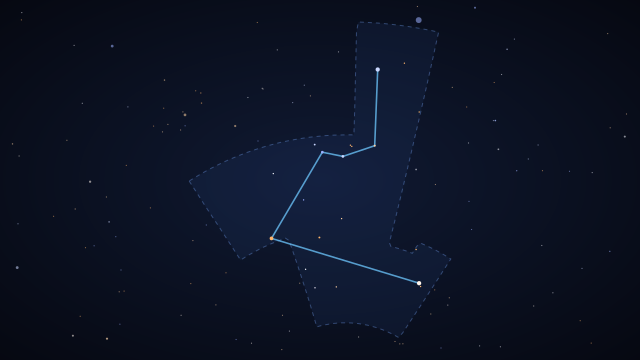 Hyi
Hydrus
The Lesser Water Snake
Best seen in December · Southern sky
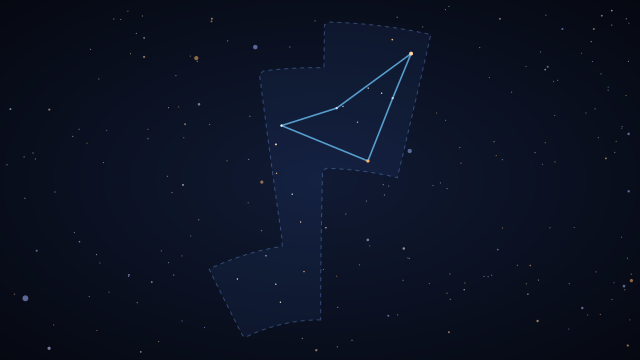 Ind
Indus
The Indian
Best seen in October · Southern sky
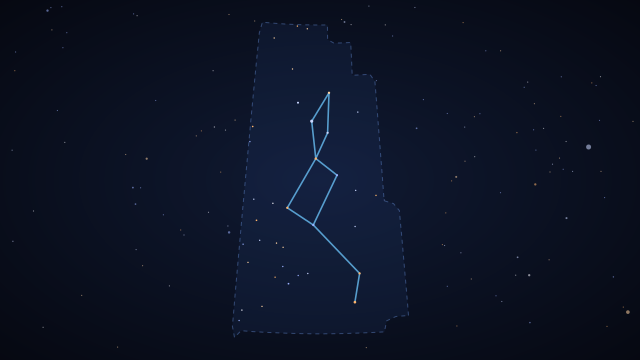 Lac
Lacerta
The Lizard
Best seen in October · Northern sky
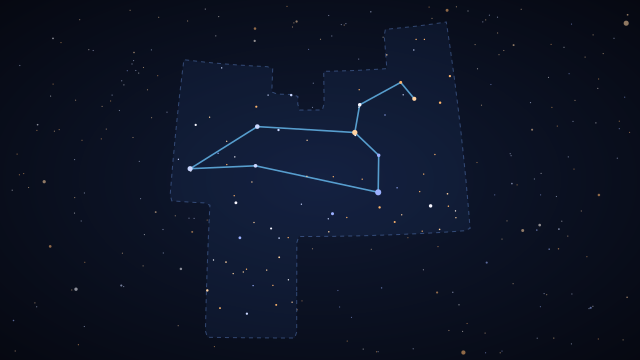 Leo
Leo
The Lion
Best seen in April · Zodiac · Equatorial sky
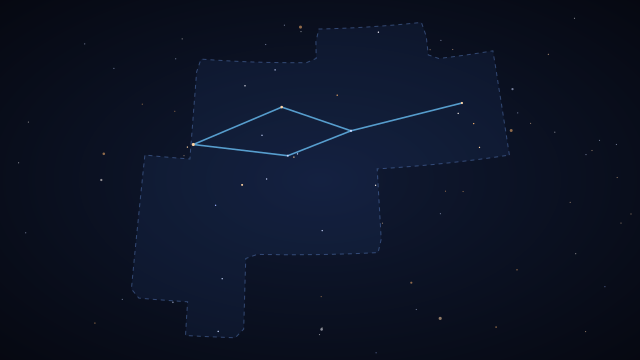 LMi
Leo Minor
The Lesser Lion
Best seen in April · Northern sky
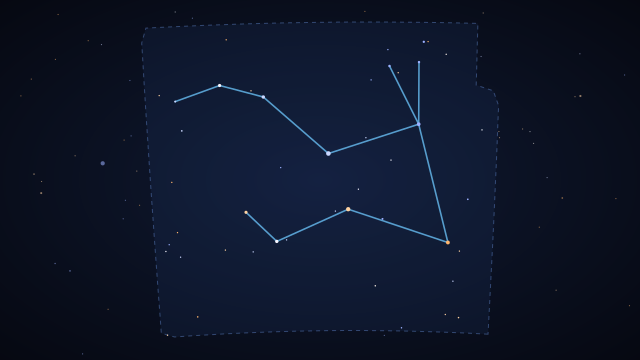 Lep
Lepus
The Hare
Best seen in January · Equatorial sky
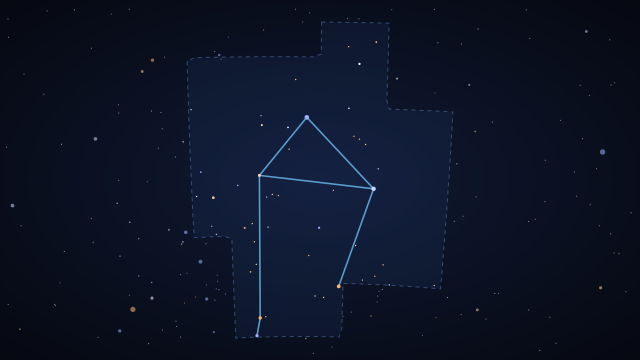 Lib
Libra
The Scales
Best seen in June · Zodiac · Equatorial sky
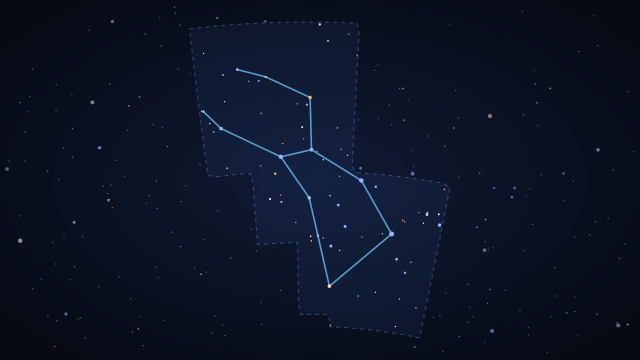 Lup
Lupus
The Wolf
Best seen in June · Southern sky
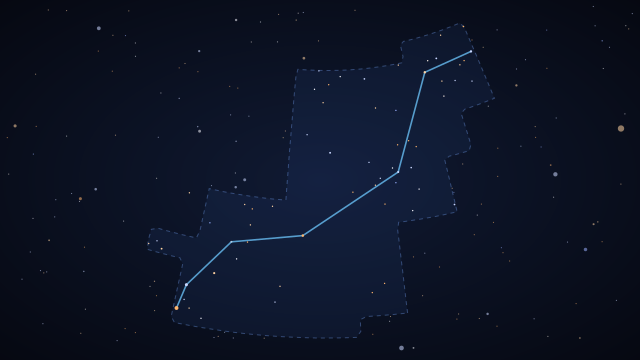 Lyn
Lynx
The Lynx
Best seen in March · Northern sky
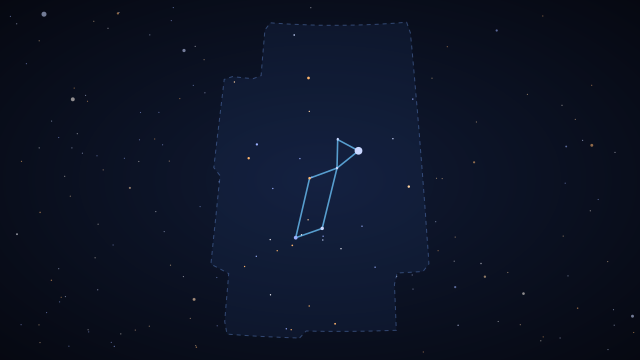 Lyr
Lyra
The Lyre
Best seen in August · Northern sky
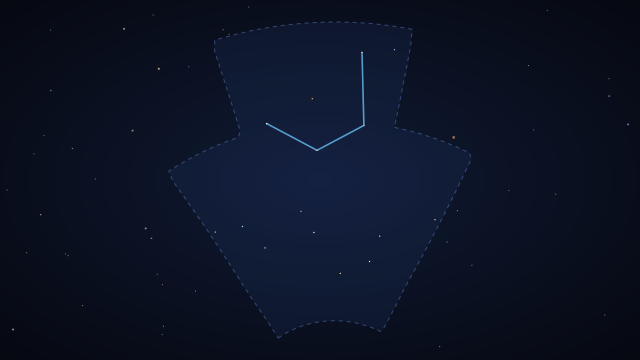 Men
Mensa
The Table Mountain
Best seen in January · Southern sky
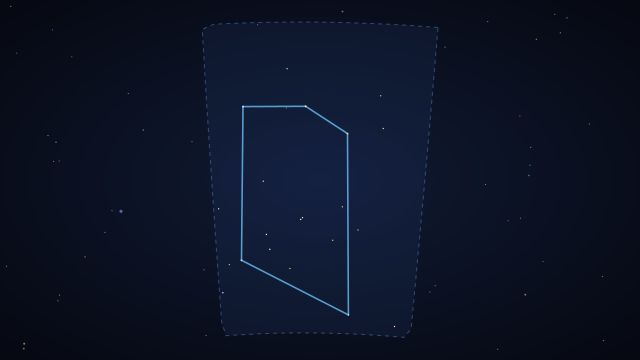 Mic
Microscopium
The Microscope
Best seen in September · Southern sky
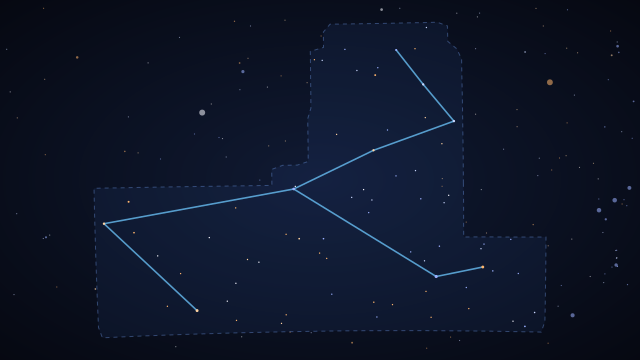 Mon
Monoceros
The Unicorn
Best seen in February · Equatorial sky
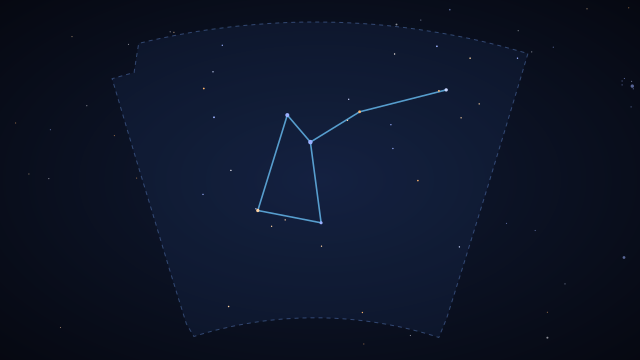 Mus
Musca
The Fly
Best seen in May · Southern sky
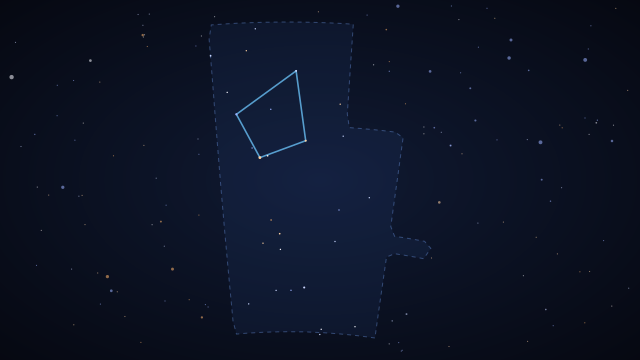 Nor
Norma
The Carpenter's Square
Best seen in July · Southern sky
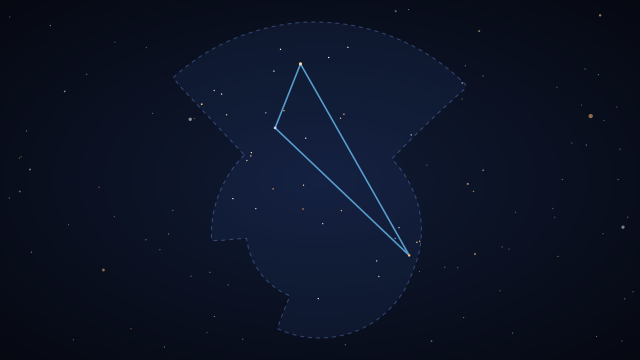 Oct
Octans
The Octant
Best seen in September · Southern sky
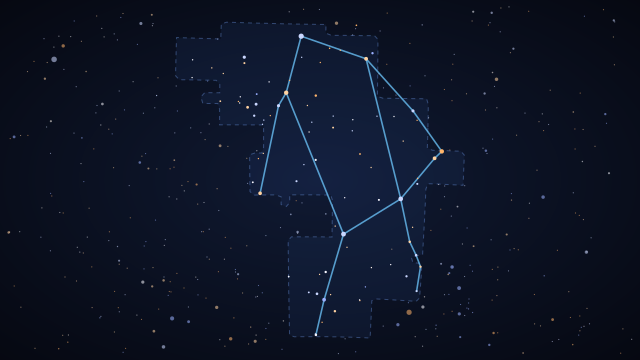 Oph
Ophiuchus
The Serpent Bearer
Best seen in July · Equatorial sky
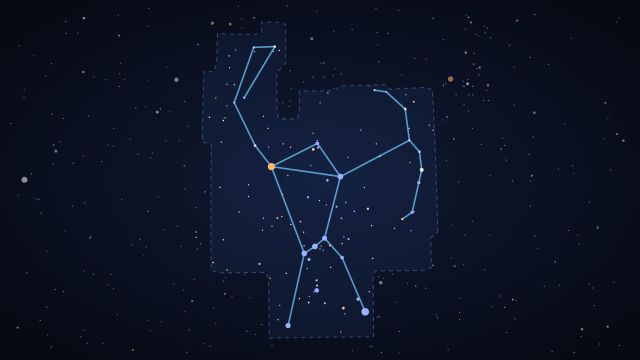 Ori
Orion
The Hunter
Best seen in January · Equatorial sky
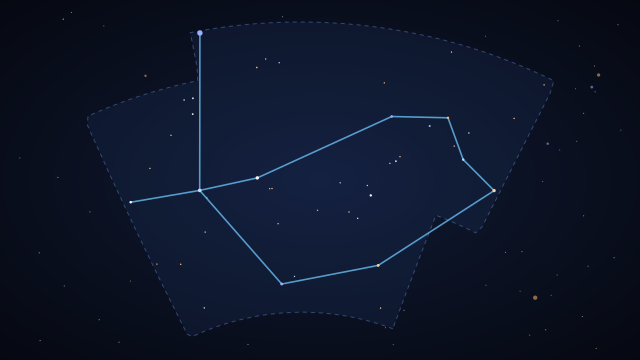 Pav
Pavo
The Peacock
Best seen in September · Southern sky
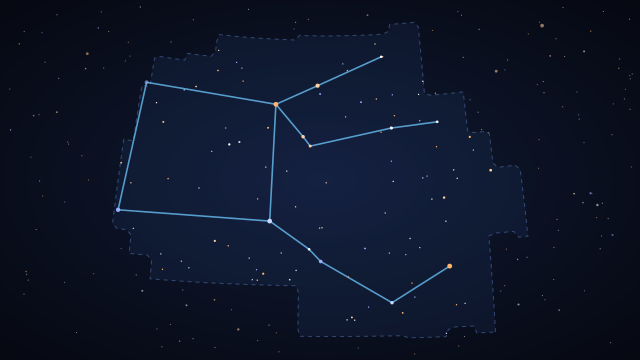 Peg
Pegasus
The Winged Horse
Best seen in October · Equatorial sky
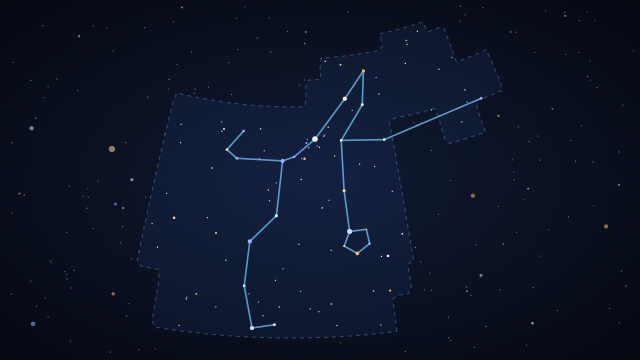 Per
Perseus
The Hero
Best seen in December · Northern sky
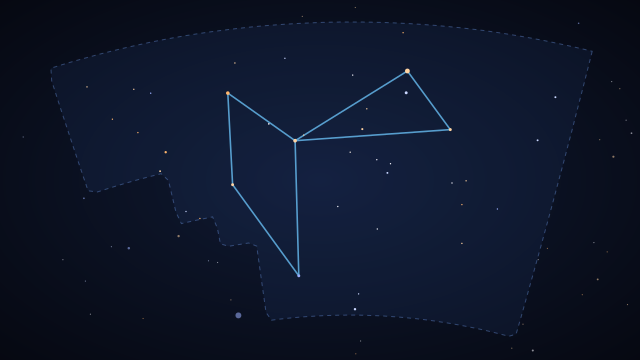 Phe
Phoenix
The Phoenix
Best seen in November · Southern sky
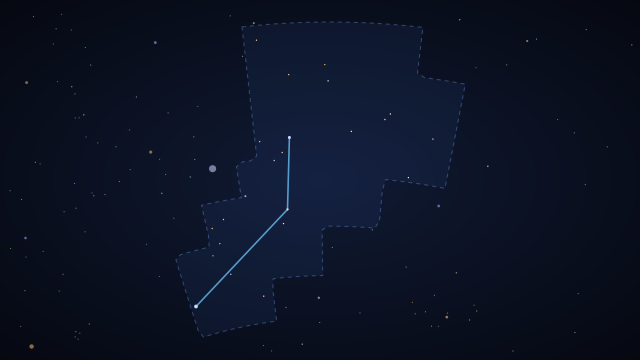 Pic
Pictor
The Painter's Easel
Best seen in January · Southern sky
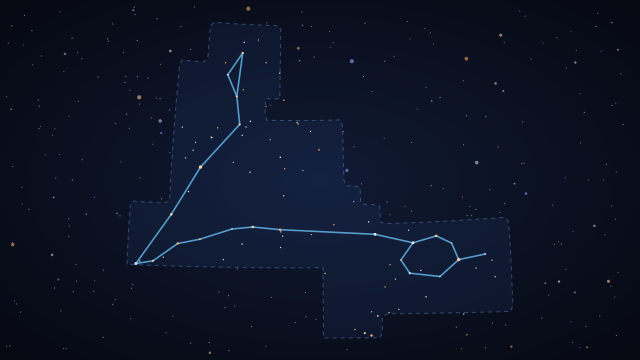 Psc
Pisces
The Fishes
Best seen in November · Zodiac · Equatorial sky
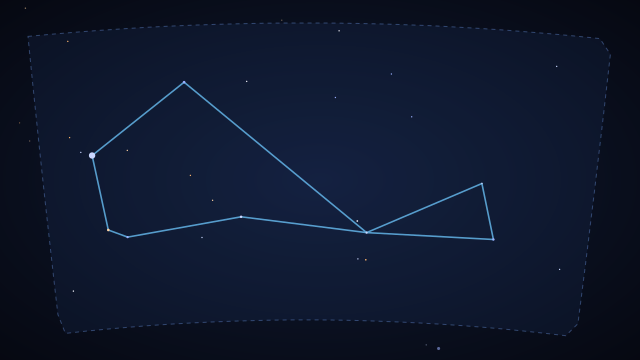 PsA
Piscis Austrinus
The Southern Fish
Best seen in October · Southern sky
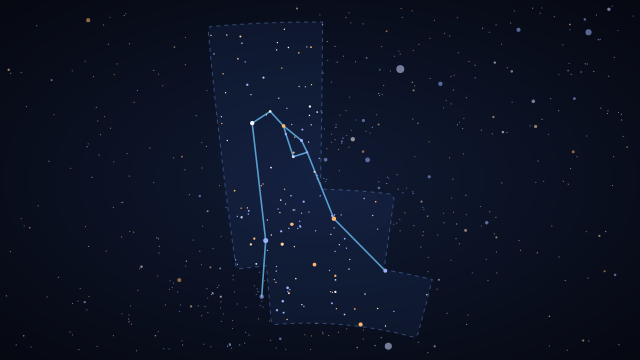 Pup
Puppis
The Stern
Best seen in February · Southern sky
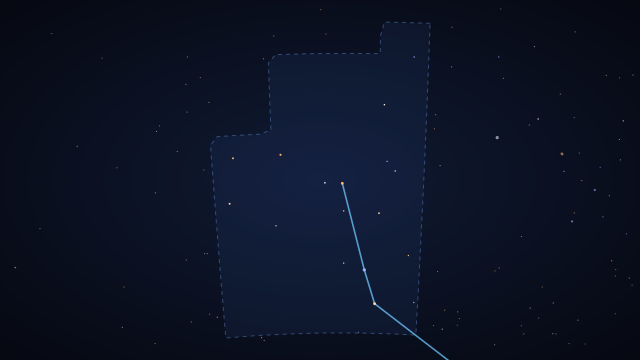 Pyx
Pyxis
The Mariner's Compass
Best seen in March · Southern sky
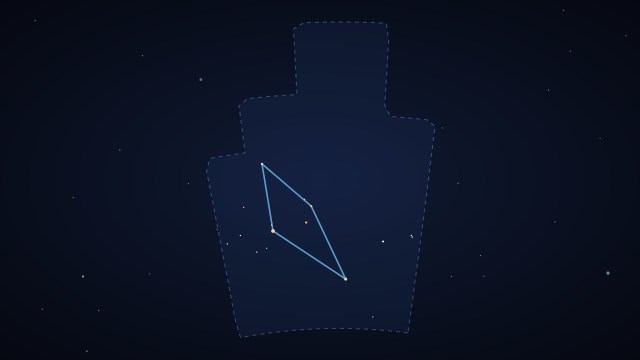 Ret
Reticulum
The Reticle
Best seen in January · Southern sky
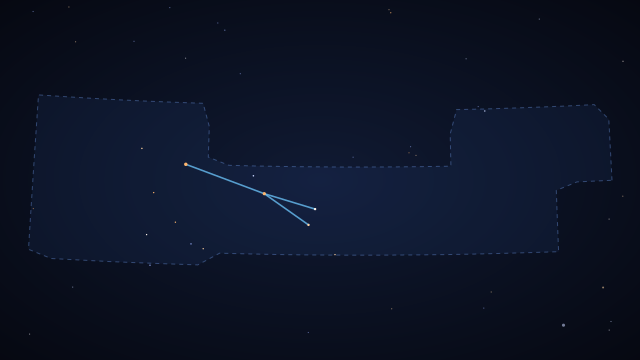 Sge
Sagitta
The Arrow
Best seen in September · Equatorial sky
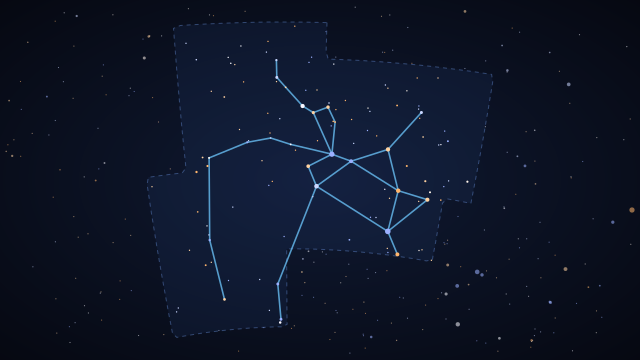 Sgr
Sagittarius
The Archer
Best seen in August · Zodiac · Southern sky
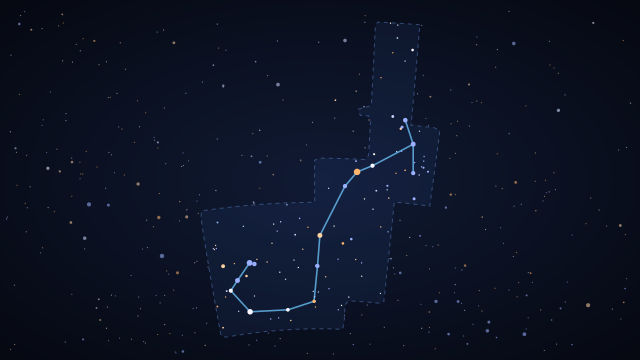 Sco
Scorpius
The Scorpion
Best seen in July · Zodiac · Southern sky
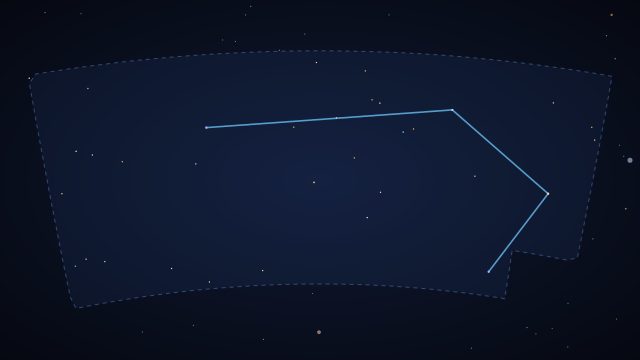 Scl
Sculptor
The Sculptor
Best seen in November · Southern sky
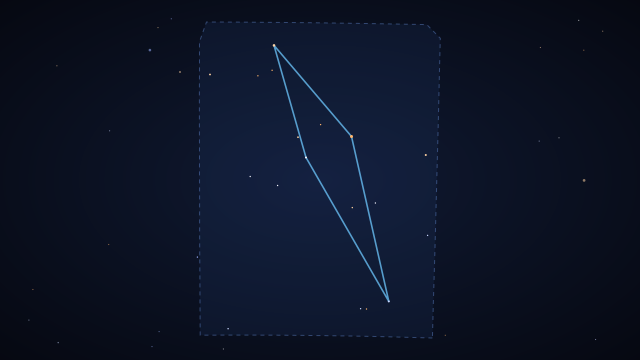 Sct
Scutum
The Shield
Best seen in August · Equatorial sky
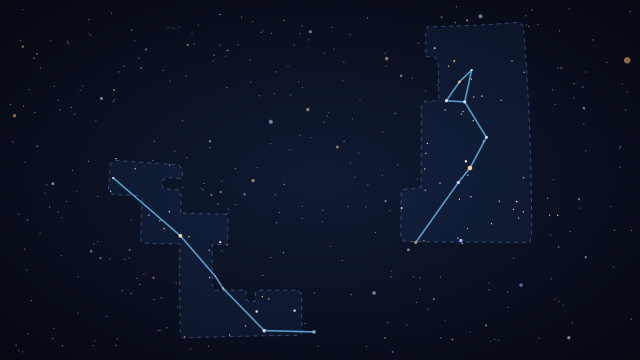 Ser
Serpens
The Serpent
Best seen in July · Equatorial sky
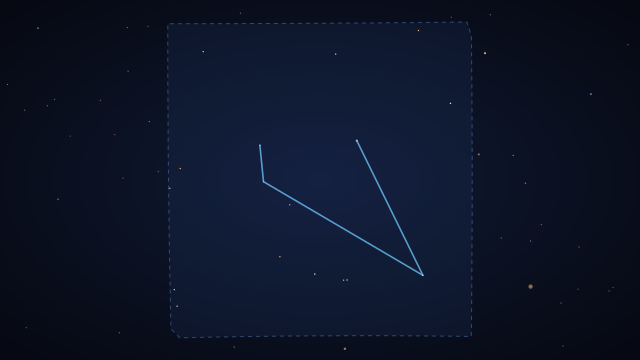 Sex
Sextans
The Sextant
Best seen in April · Equatorial sky
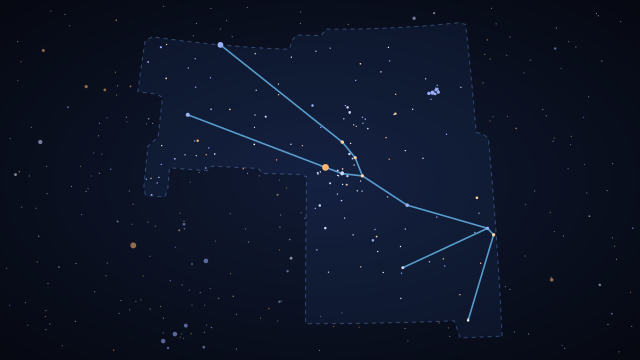 Tau
Taurus
The Bull
Best seen in January · Zodiac · Equatorial sky
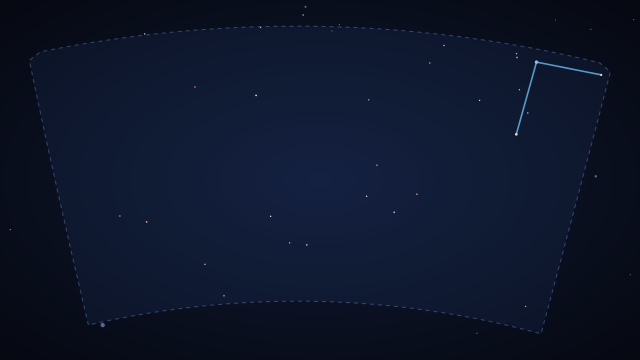 Tel
Telescopium
The Telescope
Best seen in August · Southern sky
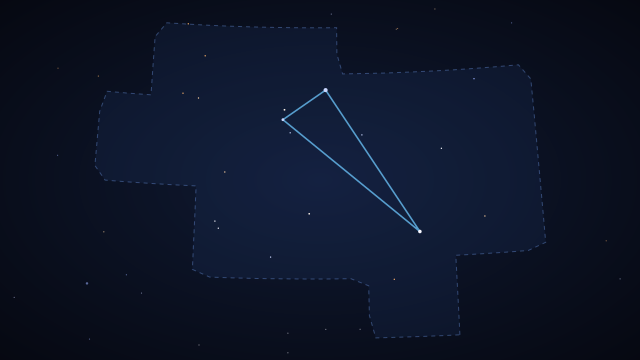 Tri
Triangulum
The Triangle
Best seen in December · Northern sky
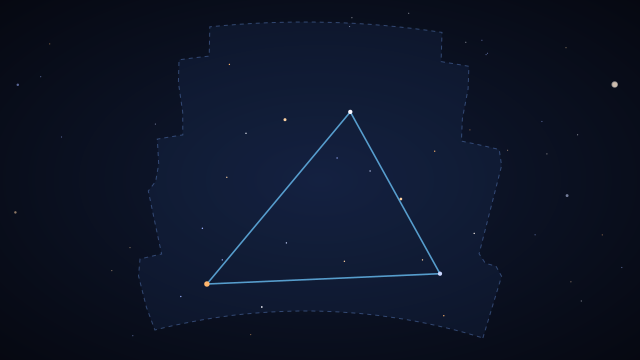 TrA
Triangulum Australe
The Southern Triangle
Best seen in July · Southern sky
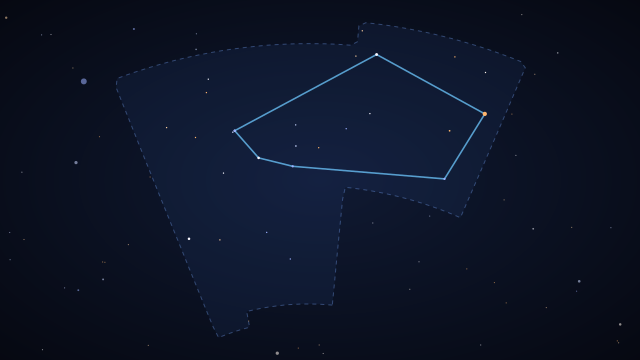 Tuc
Tucana
The Toucan
Best seen in November · Southern sky
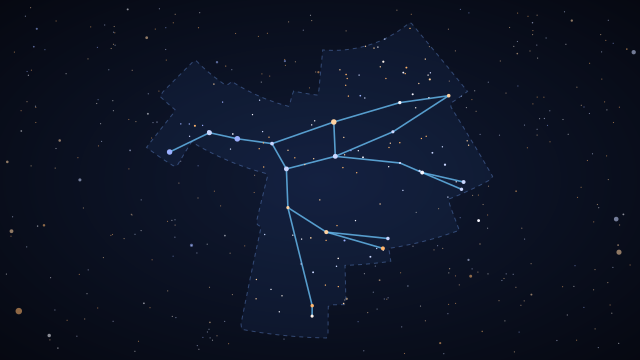 UMa
Ursa Major
The Great Bear
Best seen in April · Northern sky
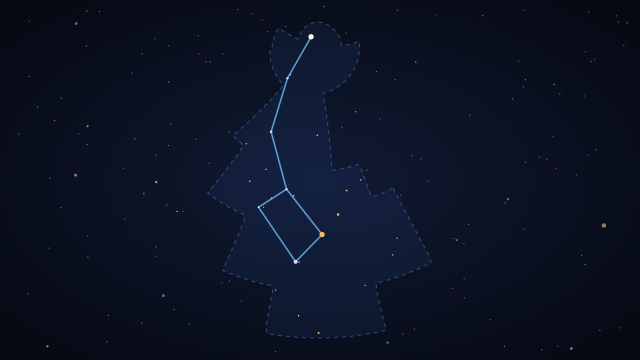 UMi
Ursa Minor
The Little Bear
Best seen in June · Northern sky
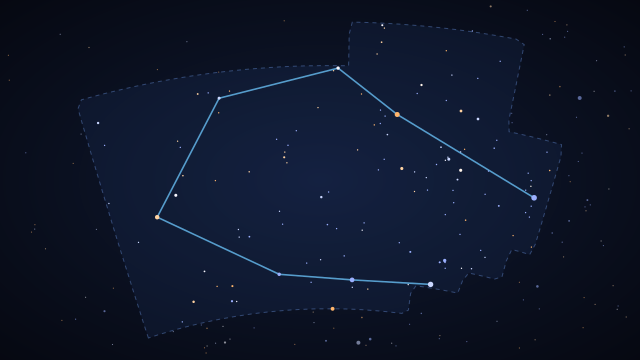 Vel
Vela
The Sails
Best seen in April · Southern sky
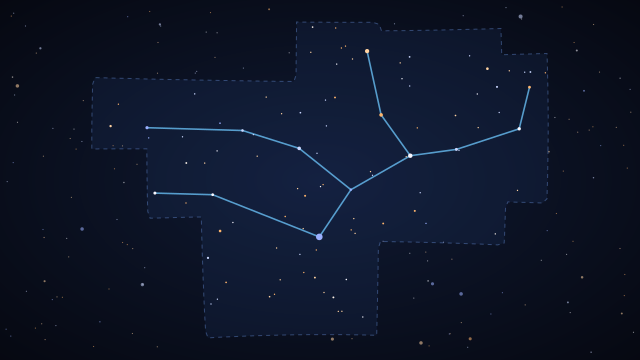 Vir
Virgo
The Maiden
Best seen in May · Zodiac · Equatorial sky
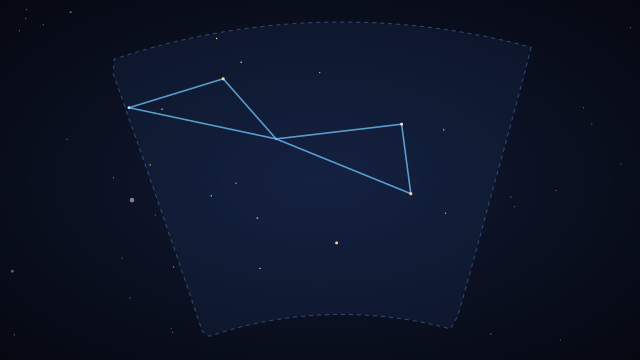 Vol
Volans
The Flying Fish
Best seen in March · Southern sky
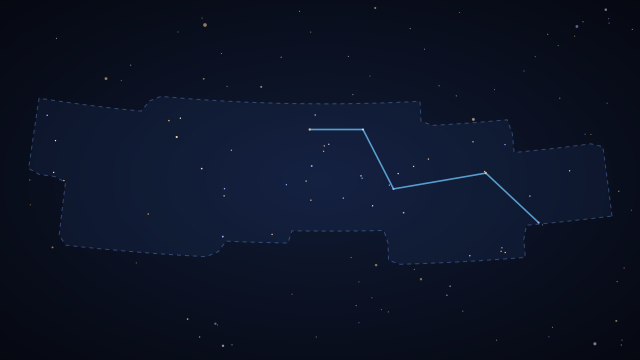 Vul
Vulpecula
The Fox
Best seen in September · Northern sky
Night sky by month
Also check
Moonlight and aurora activity both affect what you can see. Check tonight's moon phase and the aurora forecast before heading out. Curious what else is up there? Read about what a black hole actually is.
Sky Tonight in Top Viewing Cities
🌐 Regional Space Weather Network
📡 National Solar Activity Briefing📊 Understanding Kp Index Requirements☄️ Near-Earth Object Tracker🌙 Local Lunar Illumination & Phase Calculator☀️ Solar Elevation & Weather Analytics🗺️ California Aurora Forecast Hub🗺️ Texas Aurora Forecast Hub🗺️ New York Aurora Forecast Hub❓ Frequently Asked Questions
What stars and constellations are visible tonight?▾
It depends on the month and your hemisphere. This page lists this month's best constellations for mid-northern latitudes, plus tonight's moon brightness and Milky Way visibility. Search your city to see your local dark-sky window.
What is the bright star in the sky tonight?▾
A very bright 'star' that doesn't twinkle is usually a planet — most often Venus, Jupiter, or Mars. The brightest true star is Sirius, visible in winter and spring evenings low in the south-east to south.
What time is best for stargazing tonight?▾
Start after astronomical twilight ends, roughly 90 minutes after sunset, when the sky is fully dark. The darkest skies come when the Moon is down or near new moon.
Can I see the Milky Way tonight?▾
You need a dark site away from city lights, a clear sky, and little or no moonlight. The core of the Milky Way is best from about March to October in the Northern Hemisphere. Our Milky Way card above shows this month's visibility.
Why does the visible night sky change with the seasons?▾
As Earth orbits the Sun, the direction we face into space at night gradually shifts over the year, bringing different constellations into view and rotating others out — a real, predictable cycle rather than the stars themselves moving.
When is the absolute best time to observe?▾
The optimal observation window opens during maximum astronomical dark hours, when moon illumination is low and local cloud cover stays under about 20% for a genuinely clear sky.
What observation equipment do I need?▾
Baseline tracking can be done with the naked eye. For fainter, low-contrast targets, a steady tripod-mounted pair of wide-field binoculars or a small telescope makes a real difference.
Is this event visible from my exact location?▾
Search your specific city or coordinates above — visibility depends on your exact latitude and local horizon, not just your general region.