
James Webb Space Telescope
Orbits the Sun-Earth L2 point, about 1.5 million km from Earth
40.0 kb/s · DSS36 · Canberra · in contact now
Photo: NASA/GSFC · Webb's mirror segments before launch
Live · NASA Deep Space Network
From Voyager in interstellar space to the James Webb Space Telescope, three dish complexes on three continents keep NASA in touch with its spacecraft as Earth turns. This page checks NASA's public feed every 30 seconds.
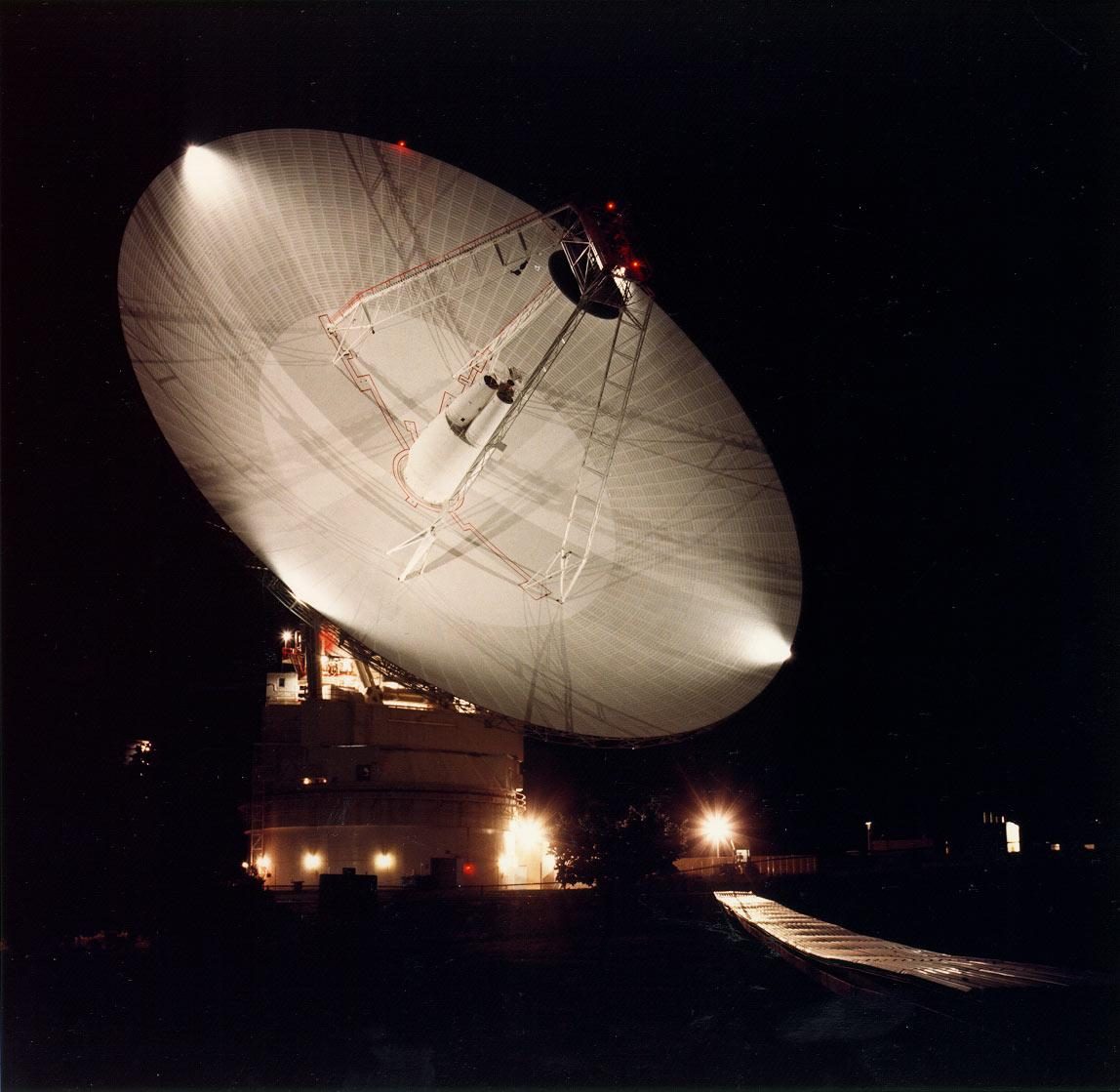
Placed far apart around the globe so at least one complex can face a spacecraft as Earth turns.
California, USA · 35.4°N
Spain · 40.4°N
Australia · 35.4°S
The live numbers on each card come from the same NASA feed. A card says so when its spacecraft is not in contact in this snapshot.
Orbits the Sun-Earth L2 point, about 1.5 million km from Earth
40.0 kb/s · DSS36 · Canberra · in contact now
Photo: NASA/GSFC · Webb's mirror segments before launch
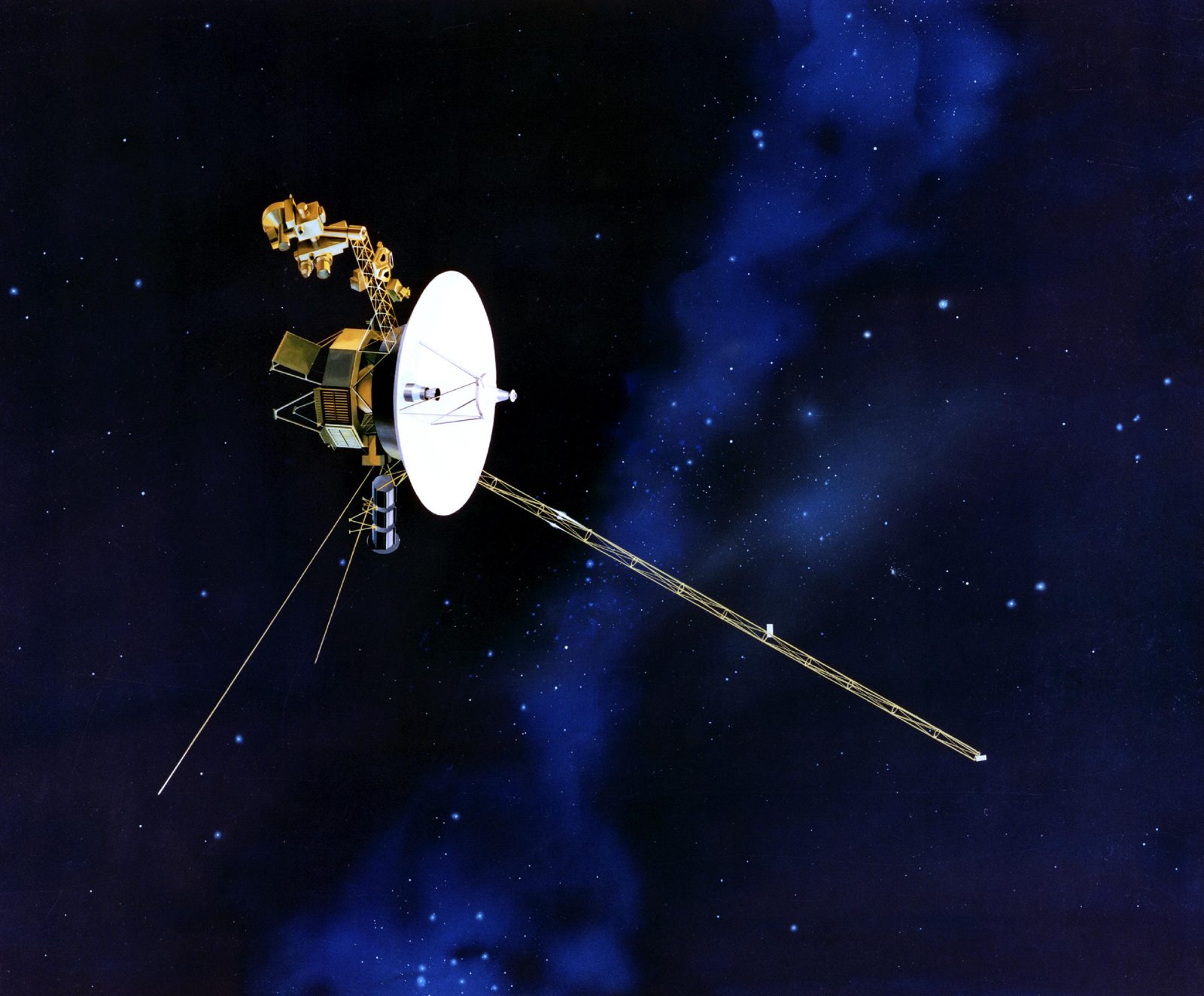
Interstellar space. Launched in 1977.
160 b/s · DSS43 · Canberra · in contact now
Illustration: NASA/JPL · artist's concept
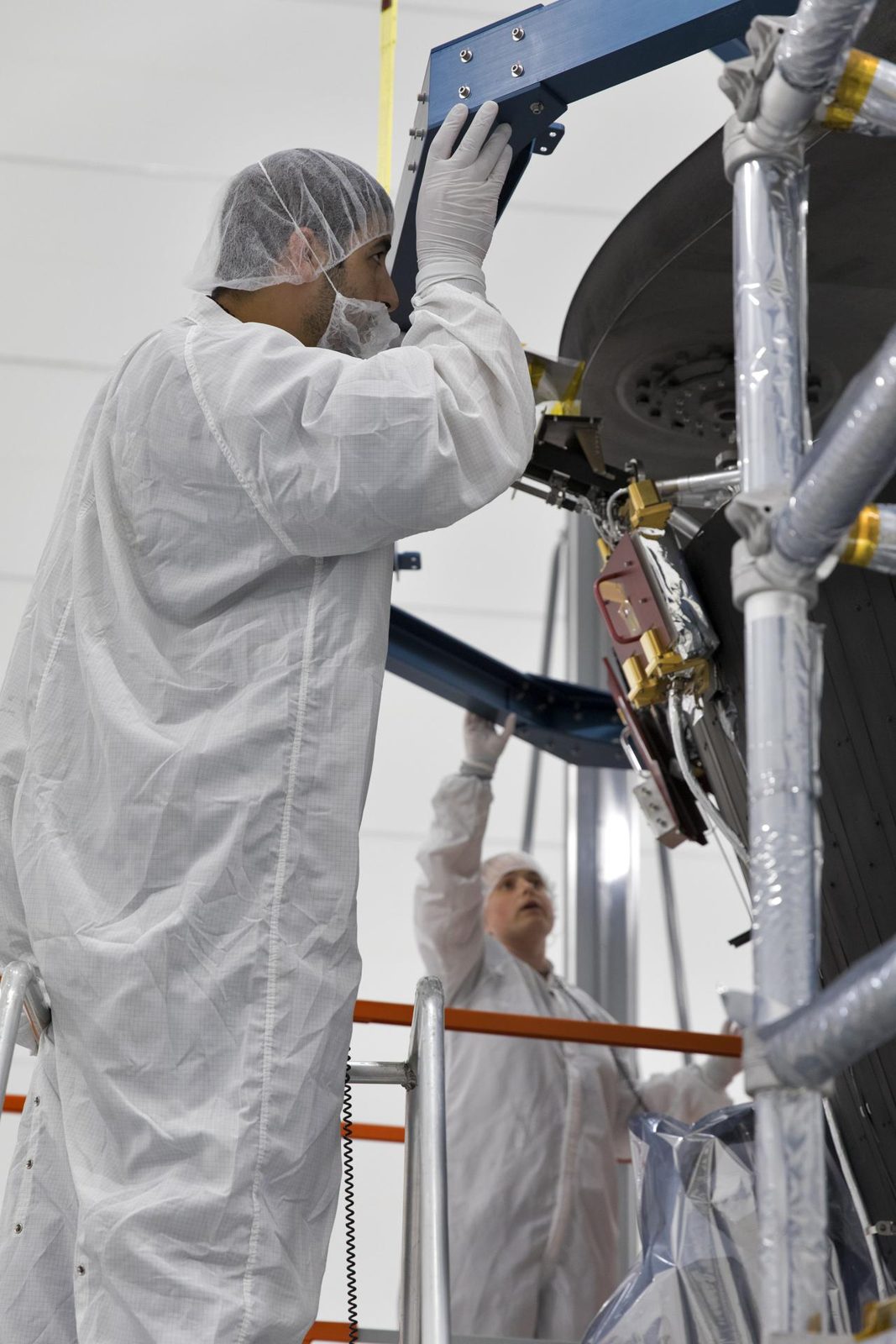
Flies through the Sun's outer atmosphere, the corona
Not in contact in this snapshot.
Photo: NASA/KSC · heat shield installation, 2018
Orbiters and rovers that rely on the same three complexes
833.4 kb/s · DSS24 · Goldstone · in contact now
Photo: NASA/JPL-Caltech · 70 m antenna, Goldstone
| Antenna | Spacecraft | Data rate | Complex | Link |
|---|---|---|---|---|
| DSS24 | TGO | 833.4 kb/s | Goldstone | Up + down |
| DSS35 | RST | 780.0 kb/s | Canberra | Up + down |
| DSS56 | IMAP | 714.3 kb/s | Madrid | Up + down |
| DSS65 | SOHO | 245.8 kb/s | Madrid | Up + down |
| DSS54 | ACE | 87.7 kb/s | Madrid | Up + down |
| DSS36 | James Webb Telescope | 40.0 kb/s | Canberra | Up + down |
| DSS25 | JNO | 26.0 kb/s | Goldstone | Up + down |
| DSS26 | ESCB | 8.0 kb/s | Goldstone | Up + down |
| DSS43 | Voyager 2 | 160 b/s | Canberra | Downlink |
| DSS23 | Mars Odyssey | — | Goldstone | Up + down |
| DSS34 | ESCG | — | Canberra | Up + down |
The bar is logarithmic: each step is ten times the data rate. An empty bar means NASA reported no rate.
"Up + down" means the dish is sending commands and receiving data. "Downlink" means it is only listening.
Its transmitter is weak and it is billions of kilometres away, so the signal arrives extremely faint. Slow data is the price of that distance.
Earth rotates. With complexes in California, Spain and Australia, a spacecraft that sets for one is usually rising for another.
Data: NASA/JPL DSN Now. Spacecraft codes we cannot match with certainty are shown exactly as NASA writes them. The displayed rate is the sum of active downlink rates for the dish. NASA does not endorse this site. Photo credits: NASA images.
See also Mission Control and the Live Space Weather Dashboard.