Sky Briefing • Wednesday, October 14, 2026
Strong geomagnetic storm impacts Earth
A strong G3-class geomagnetic storm delivered aurora to lower latitudes, following a week of moderate solar flares and notable seismic activity.
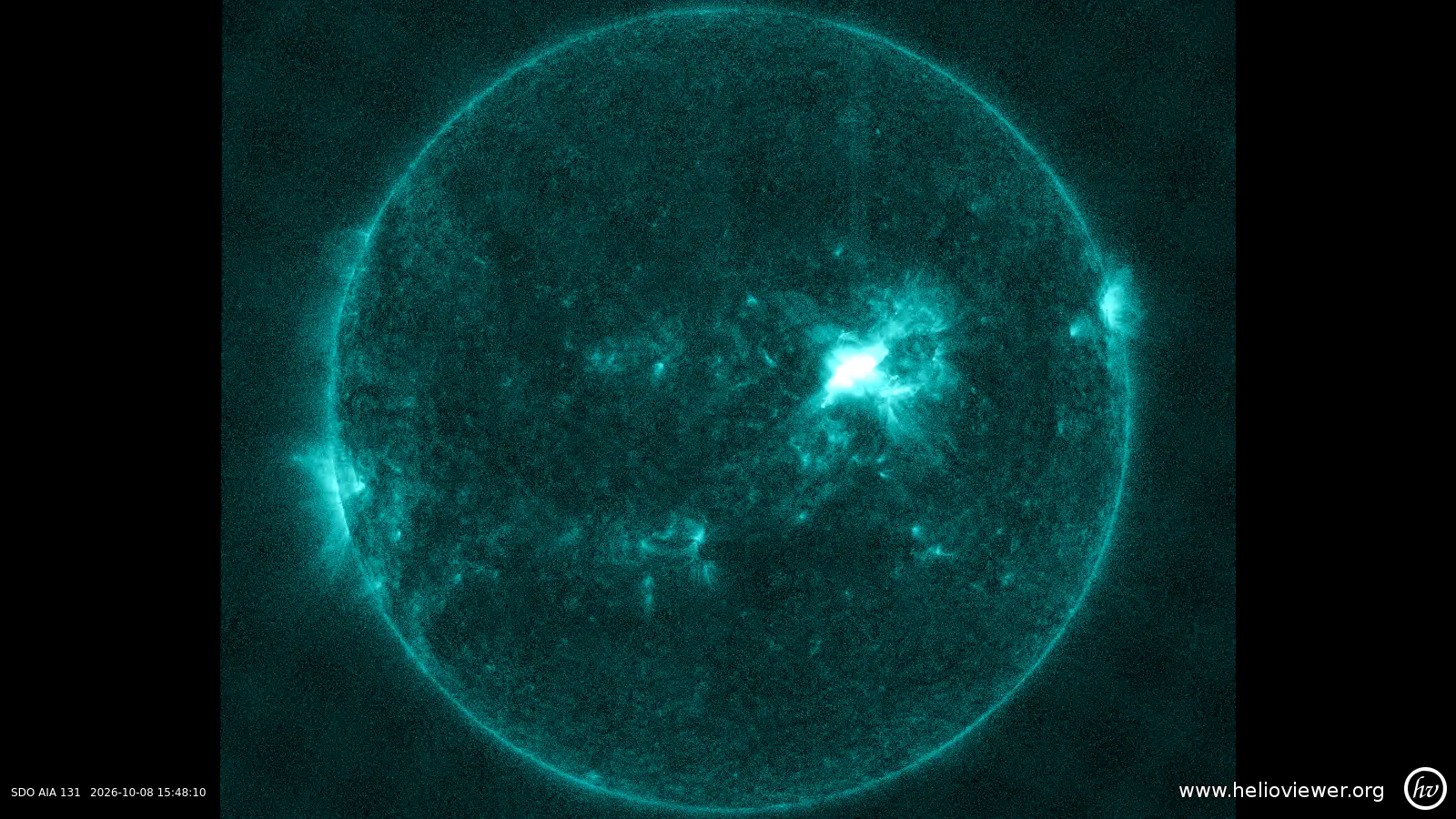
AIA 131 Å (flare plasma, ~10 million K), Oct 8, 2026, 15:48 UTC. The brightening at centre is the M6.7 flare, the strongest of the week. Credit: NASA/SDO (AIA), rendered by Helioviewer.org. Real observation, not an illustration.
By SpaceWeatherTracker Staff • Data: NOAA SWPC, USGS, NASA DONKI, NOAA GOES, SpaceWeatherTracker meteor calendar •
2 min read
Peak Kp index
7.0
Geomagnetic storm level
Strongest flare
M6.7
GOES X-ray class
Earth-directed CMEs
5
NASA DONKI catalog
Largest earthquake
M7.7
USGS
Earth’s magnetic field experienced a significant disturbance this week, reaching a strong G3-class geomagnetic storm level on October 10. The activity peaked with a Kp index of 7.0, an event with the potential to affect satellite operations and power grids.
This event followed an active period on the Sun, which produced numerous flares and coronal mass ejections. The week also saw significant terrestrial activity with a major earthquake in Panama, while skywatchers can look forward to an upcoming meteor shower.
Lead story · The Sun
The Sun
Solar Activity
The Sun released 47 solar flares over the past seven days, with the most powerful registering as an M6.7-class flare on October 8. M-class flares are a medium-sized category of eruption that can cause brief radio blackouts on the sunlit side of Earth.
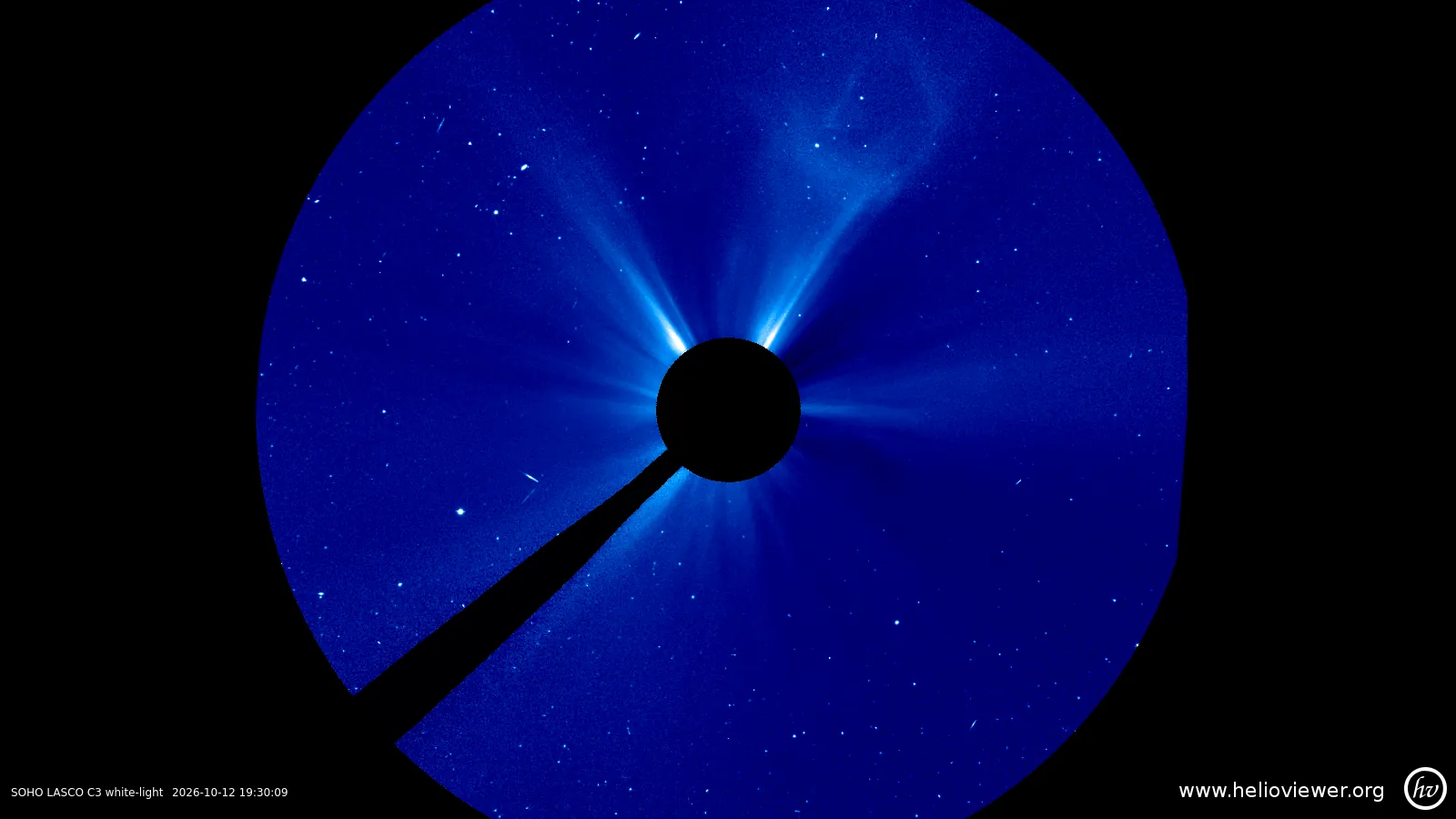
In addition to flares, instruments observed five Earth-directed coronal mass ejections (CMEs) departing the Sun. The fastest of these clouds of solar plasma was measured traveling near 868 km/s, and such events are the primary drivers of geomagnetic storms at Earth.
The record
- 5 Earth-directed coronal mass ejections left the Sun this week
- The fastest was measured near 868 km/s.
- NASA DONKIOct 12, 2026, 7:36 PM UTC
- The strongest flare of the week was M6.7
- 47 flares were recorded by GOES over the past seven days.
- NOAA GOES X-ray fluxOct 8, 2026, 3:48 PM UTC
Space weather
Geomagnetic Conditions
A strong geomagnetic storm, classified as G3 on the NOAA space weather scale, was recorded on October 10. The planetary K-index, a measure of global geomagnetic activity, reached a peak of 7.0, with alerts confirming the threshold was reached that day.
Such strong events are capable of pushing the aurora to latitudes lower than normally observed. This can create opportunities for skywatchers in mid-latitude regions to view the northern or southern lights.
The record
- Geomagnetic activity peaked at Kp 7.0 this week
- That is storm level, which pushes the aurora toward lower latitudes than usual.
- NOAA SWPCOct 10, 2026, 3:00 PM UTC
- NOAA alert: Geomagnetic K-index of 7
- NOAA scale: G3 - Strong. Threshold Reached: 2026 Oct 10 1926 UTC.
- NOAA SWPC alertsOct 10, 2026, 7:27 PM UTC
- NOAA warning: Geomagnetic K-index of 7 or greater expected
- NOAA scale: G3 - Greater. Valid From: 2026 Oct 10 1742 UTC.
- NOAA SWPC alertsOct 10, 2026, 5:42 PM UTC
Earth
Seismic Activity
The U.S. Geological Survey reported a magnitude 7.7 earthquake on October 9, with an epicenter located 12 km WSW of Pitaloza Arriba, Panama.
Later in the week, on October 13, two strong earthquakes occurred along the central Mid-Atlantic Ridge. The seismic events registered as magnitude 6.7 and magnitude 6.8.
Outlook
The Week Ahead in the Sky
The Orionids meteor shower is expected to peak on the night of Wednesday, October 21. Under ideal dark sky conditions, observers may see up to 20 meteors per hour.
The meteors will appear to radiate from the constellation Orion. For the best viewing, look for the shower after midnight and into the pre-dawn hours, when Orion is highest in the sky.
The record
- Orionids meteor shower peaks on the night of Wednesday, October 21
- Up to 20 meteors per hour under ideal dark skies, radiating from Orion. Best viewed after midnight until dawn on October 21, when Orion is highest in the sky.
- SpaceWeatherTracker meteor calendarOct 21, 2026, 12:00 PM UTC
Sources and methodology
This briefing is compiled from official agency data for the seven days ending on the issue date. Figures are reproduced as published; times are UTC. Nothing in this issue is estimated or modelled by us unless stated.
- NOAA SWPC alerts2 records · retrieved Oct 14, 2026, 1:00 PM UTC
- NOAA SWPC1 record · retrieved Oct 14, 2026, 1:00 PM UTC
- USGS1 record · retrieved Oct 14, 2026, 1:00 PM UTC
- USGS1 record · retrieved Oct 14, 2026, 1:00 PM UTC
- NASA DONKI1 record · retrieved Oct 14, 2026, 1:00 PM UTC
- USGS1 record · retrieved Oct 14, 2026, 1:00 PM UTC
- NOAA GOES X-ray flux1 record · retrieved Oct 14, 2026, 1:00 PM UTC
- SpaceWeatherTracker meteor calendar1 record · retrieved Oct 14, 2026, 1:00 PM UTC
Image credits
Every picture in this issue is a real observation from a NASA, ESA or NOAA mission, taken at the time shown. None is an illustration or AI-generated image.
- Oct 8, 2026, 15:48 UTC · NASA/SDO (AIA), rendered by Helioviewer.org · NASA imagery is not copyrighted; free to use with credit (NASA media usage guidelines).
- Oct 12, 2026, 19:36 UTC · ESA & NASA/SOHO (LASCO), rendered by Helioviewer.org · SOHO is a project of international cooperation between ESA and NASA; images are free to use with credit.
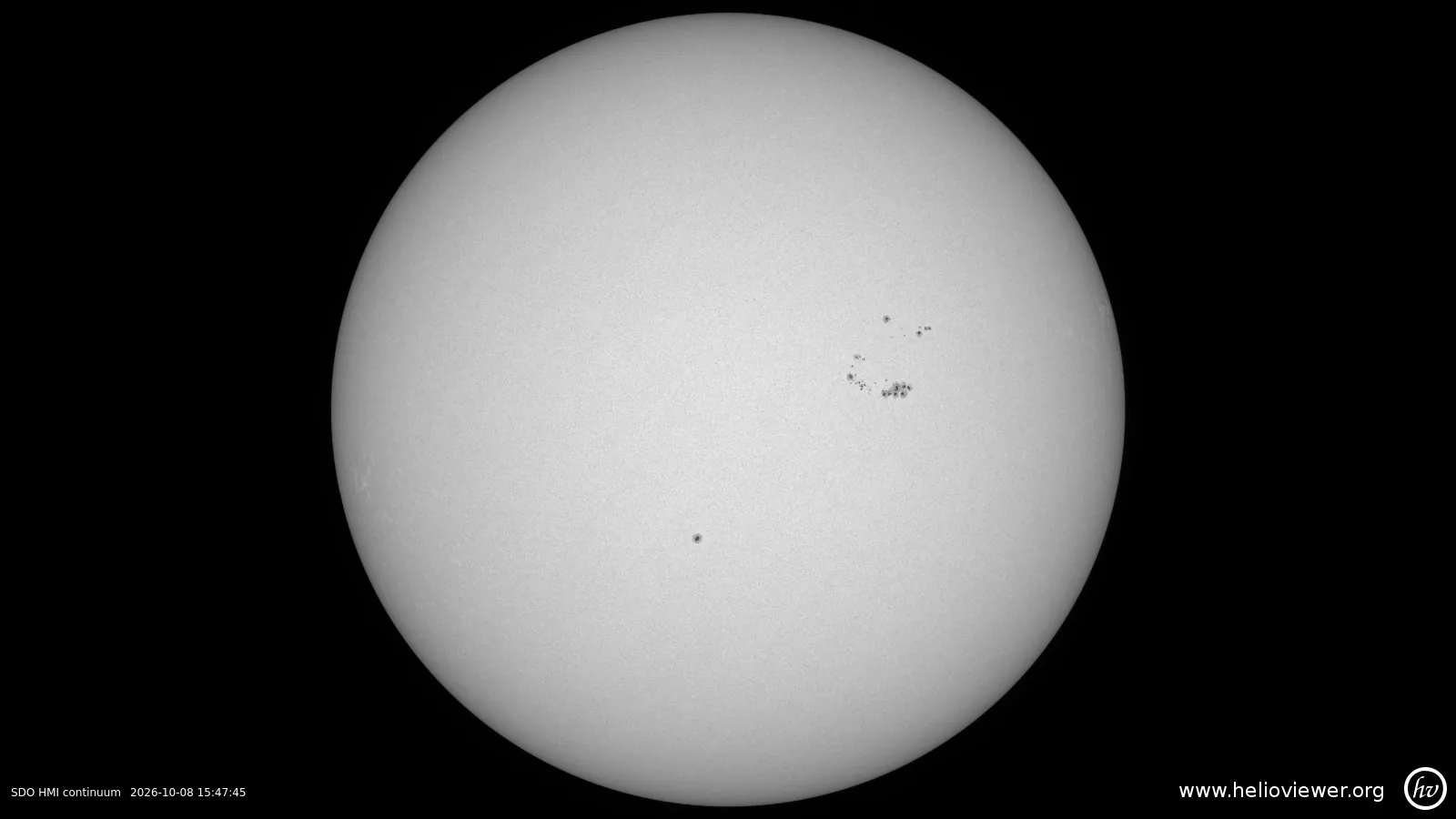
- Oct 8, 2026, 15:48 UTC · NASA/SDO (HMI), rendered by Helioviewer.org · NASA imagery is not copyrighted; free to use with credit (NASA media usage guidelines).
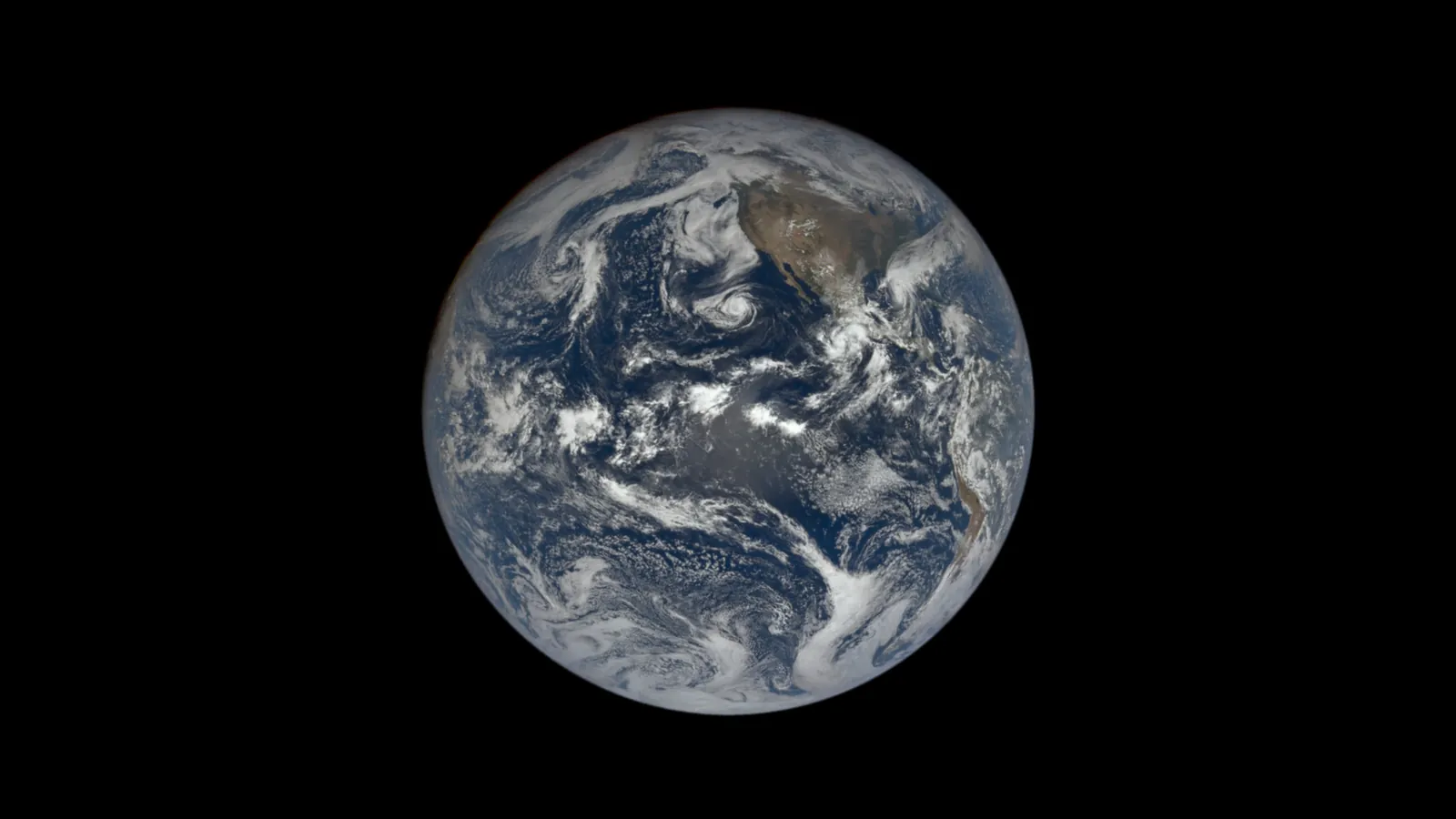
- Oct 8, 2026, 19:56 UTC · NASA/NOAA DSCOVR EPIC · NASA imagery is not copyrighted; free to use with credit (NASA media usage guidelines).
Get the next Sky Briefing
Live NOAA solar storm alerts and the weekly night-sky forecast, free.