Recap
An active Sun, with geomagnetic activity below storm level
This week brought solar flares, Earth-directed eruptions and geomagnetic watches, while reported geomagnetic activity peaked below storm level.
By Adrienne Bemis, MBA · Published Oct 22, 2026 · Updated Oct 30, 2026
Key Takeaway
The Sun was active this week, but reported geomagnetic activity peaked at Kp 4.0, below storm level, despite G1 watches.
What Happened?
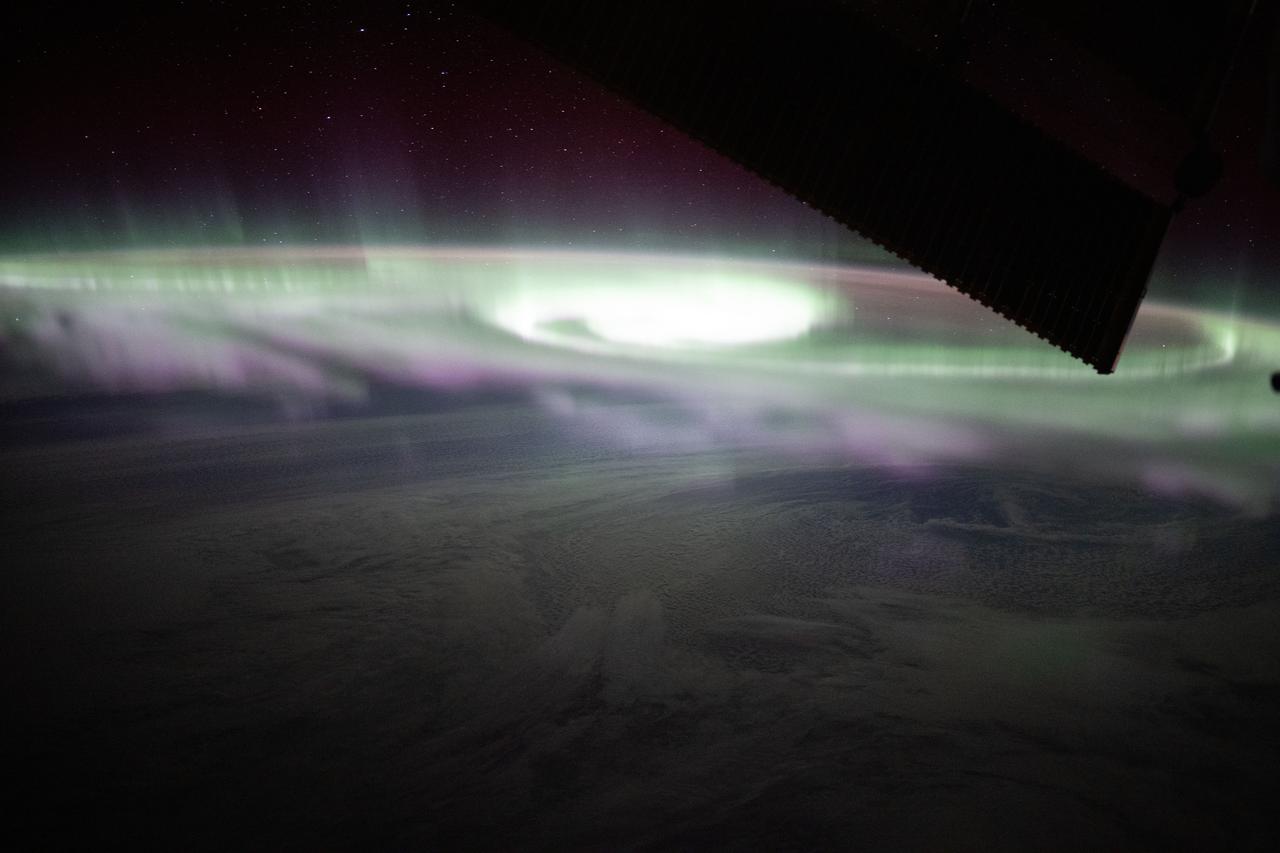
What caught my attention this week was the difference between activity at the Sun and the response measured here on Earth. NOAA SWPC reported a weekly geomagnetic peak of Kp 4.0, below storm level, with aurora staying mainly at high latitudes. I find that distinction useful: solar activity and geomagnetic activity describe connected, but different, parts of the story.
NOAA issued G1 geomagnetic storm watches during the week, alongside warnings and alerts for a geomagnetic K-index of 4. A watch describes a predicted possibility, not a confirmed outcome. Reading those notices beside the reported weekly peak helps keep expectations separate from observations.
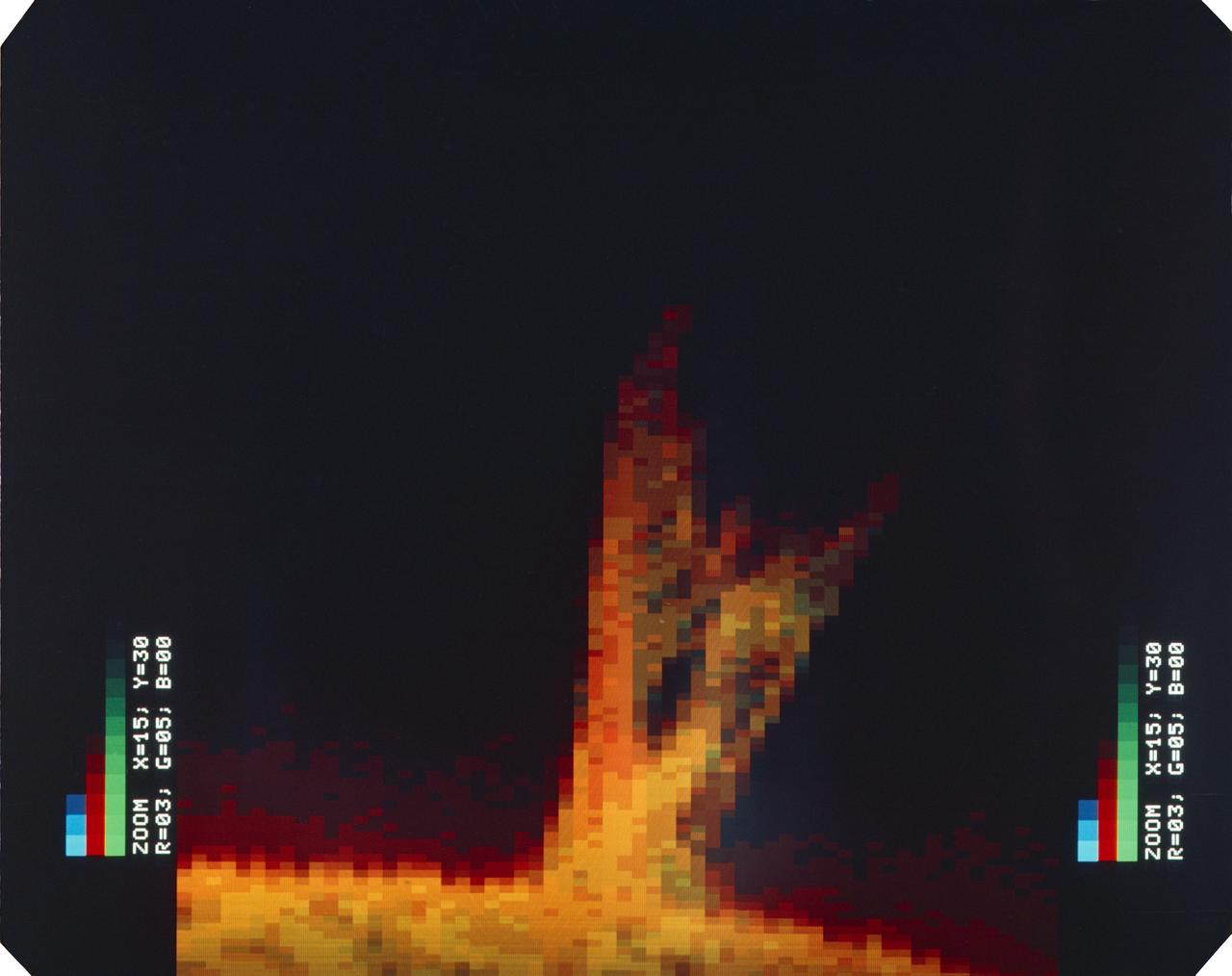
The solar flare record offered another view of the week: NOAA GOES recorded 75 flares over the past seven days, with M1.6 the strongest. Flare classes describe peak X-ray intensity, rather than the strength of a geomagnetic disturbance at Earth. I like keeping those measurements distinct, because a busy flare record does not by itself tell us how far aurora might extend.
NASA DONKI reported 2 Earth-directed coronal mass ejections, with the fastest measured near 1048 km/s. These eruptions carry plasma and magnetic field away from the Sun, unlike the radiation measured in a flare. Their direction and speed matter, but so does the orientation of their magnetic field when they interact with Earth's magnetic environment; the supplied report does not establish their eventual effects.
NOAA also summarized a 10cm radio burst and issued an alert that the Electron 2MeV Integral Flux exceeded 1,000pfu. Solar radio emissions and energetic electron measurements describe different aspects of space weather. To me, they are a reminder that an aurora-focused summary is only part of what the instruments are recording.
For skywatchers, the Moon adds a separate consideration: SpaceWeatherTracker's lunar ephemeris lists it as 78% illuminated and waxing, with the full Moon expected on Monday, October 26. Bright moonlight around that date can wash out faint aurora and meteors. Even when activity is present, the brightness of the sky affects what we can see.
SpaceWeatherTracker's meteor calendar lists the Orionids peak for the night of Wednesday, October 21, with up to 20 meteors per hour under ideal dark skies. That ideal-sky qualifier matters, especially with a brightening Moon. I am left wondering less about any headline rate and more about how the measured activity and viewing conditions will line up.
What This Means for Earth
Current geomagnetic activity is at Kp 0.7 — quiet conditions at the moment.
View live Kp index →Can I See It?
What to Watch Next
Follow SpaceWeatherTracker's live geomagnetic and solar data for updated observations, and check the lunar and meteor information alongside them when considering viewing conditions. I would keep forecasts and measured conditions side by side rather than treating either as the whole picture.
SpaceWeatherTracker Tools
Original Source & References
Original Source: NOAA SWPC — Read the original report
Related Space News
Prepared with AI assistance using verified scientific data and reviewed by an editor.