Space History
Looking back at October’s geomagnetic storm through its records
The October 31, 2026 geomagnetic storm offers a small piece of recent space history—and a useful lesson in reading the record carefully.
By Adrienne Bemis, MBA · Published Nov 4, 2026 · Updated Nov 4, 2026
Key Takeaway
The October 31 record documents moderate geomagnetic storm activity while showing why forecasts, geomagnetic indices and particle measurements need to be read as distinct evidence.
What Happened?
I’m drawn to moments in space history that we can examine through the observations they left behind. The geomagnetic activity of October 31, 2026 caught my attention for that reason: NOAA’s records preserve both expectations and reports of thresholds reached. It is recent history, but already worth looking back at with care.
The weekly summary reported a peak of Kp 6.0, a storm-level reading associated with aurora extending toward lower latitudes than usual. That tells us something about the state of Earth’s magnetic environment, not what every observer could see. I find that distinction useful: a planetary index offers context, while a particular view of the sky depends on local conditions.
The NOAA alert sequence gives the episode a more detailed shape. On October 31, it recorded a geomagnetic K-index threshold of 4, followed by 5 and then 6; the latter carried the G2, or moderate, classification. These entries document reported thresholds, rather than supplying a continuous portrait of every fluctuation.
Alongside those alerts were warnings describing expected activity. I like to keep those categories separate when reading an archive: an expectation belongs to the forecasting record, while a threshold-reached alert belongs to the observational record. Combining them indiscriminately would make the history look more straightforward than the evidence allows.
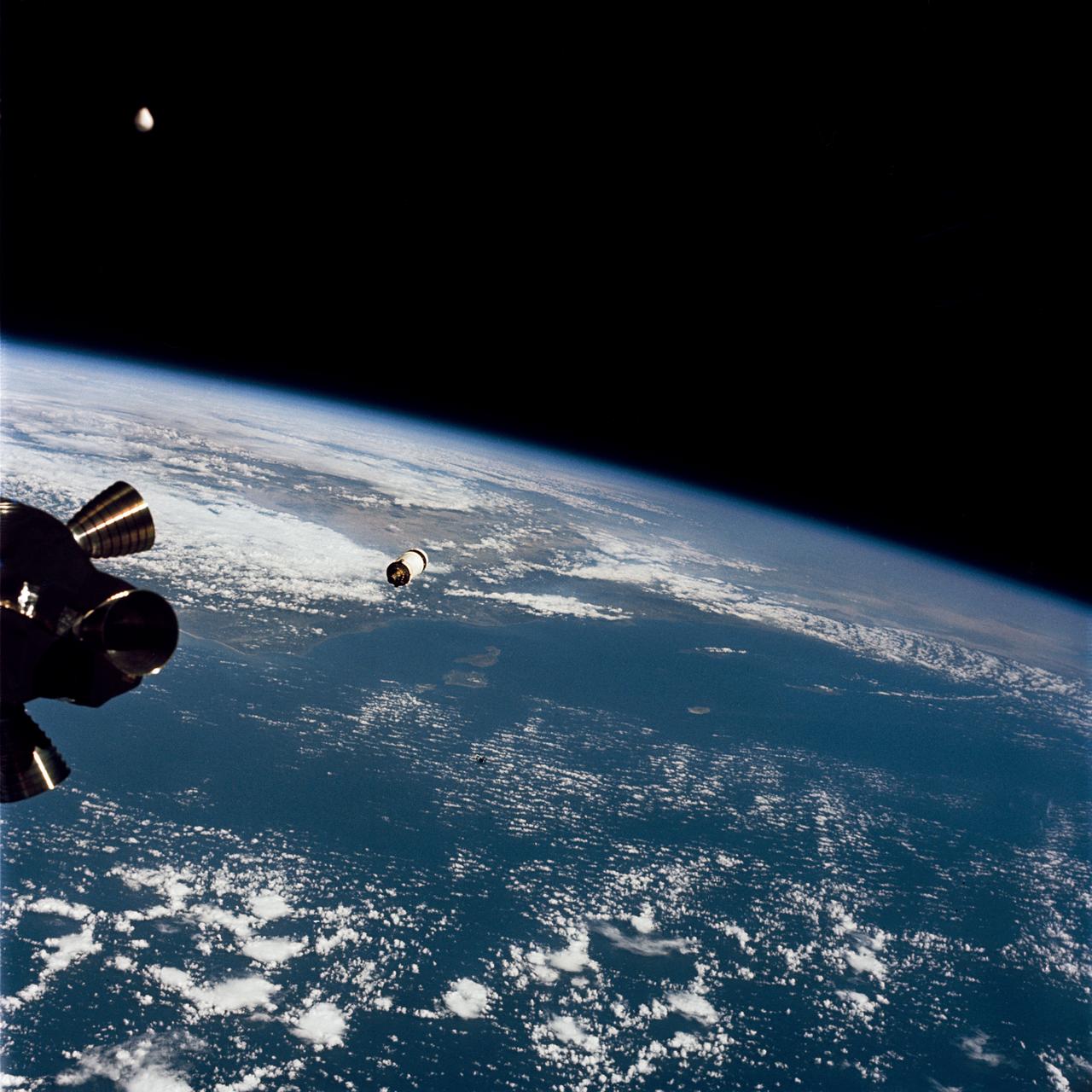
The underlying science helps explain why this episode matters beyond its labels. Earth’s magnetic environment responds to the solar wind, and geomagnetic indices summarize aspects of the resulting magnetic variations. Aurora occurs when energetic particles excite gases in the upper atmosphere, which then emit light; stronger geomagnetic activity can bring that luminous region farther from the poles.
The supplied record also includes an energetic-electron flux alert beginning on November 1, with continued notices in the following days. That is a different measurement from a geomagnetic index, not another name for the same condition. It makes me wonder how often our desire for a single description of space weather obscures the different processes being measured.
October’s storm left a clear sequence in the archive: geomagnetic thresholds rose to G2, followed by separate energetic-electron flux notices in the days that followed. Those records document changing conditions around Earth—not a confirmed solar cause or an aurora sighting in any particular place. Read together, they give this episode its lasting value: a timeline grounded in measurements, rather than a story filled in after the fact.
What This Means for Earth
Current geomagnetic activity is at Kp 0.7 — quiet conditions at the moment.
View live Kp index →Can I See It?
What to Watch Next
Explore the live data on SpaceWeatherTracker to follow current geomagnetic activity, solar observations and particle measurements. I suggest checking each update’s timestamp and whether it describes an observed condition or an expectation.
SpaceWeatherTracker Tools
Original Source & References
Original Source: NOAA SWPC — Read the original report
Related Space News
Prepared with AI assistance using verified scientific data and reviewed by an editor.